Chapter 8 - Theory
3. Securing next-generation technologies
Maritime autonomous systems introduce various security challenges to their operators. If the security of the vessel or its vital systems is jeopardized, sooner or later, the safety level is reduced. Any commercial vessel is expected to maintain operability under all foreseeable conditions, and autonomous vessels are not an exemption to this philosophy. It is generally understood that the introduction of autonomous systems is favorable because, as assumed, autonomous systems increase safety. If the safety is truly increased, then operational security is conditional to commercial success.
Autonomous systems onboard, or even the autonomous vessel, should not be different from conventional vessel systems in terms of cyber security or cyber safety. The prevailing risks are much the same, but the absence of human actors in operational work migrates much of the risk management responsibility on the shoulders of the systems designers. With autonomous systems many decisions that dictate operational safety and security are made in the systems design phase.
The risks in involving latest technologies in maritime safety critical operations lie in the low level of real-life experience. The modelling and table-top testing of systems is undoubtedly needed, but the complexity of the systems calls for a system-theoretical approach, where it is understood that a system can fail even though all its individual components do exactly what they were designed to do. It is all about contextuality. The more complex the system is, the more possible contexts there are when environmental conditions, for example, change. Each component in the systems acts based on prevailing situation, resulting in a scenario that dictates the action by a component next to it, again sending an order to react to an active component in the system. Finally, the number of possible outcomes is almost limitless. No matter how well the system is designed, in a complex environment a correct action from a component may lead to catastrophic outcome.
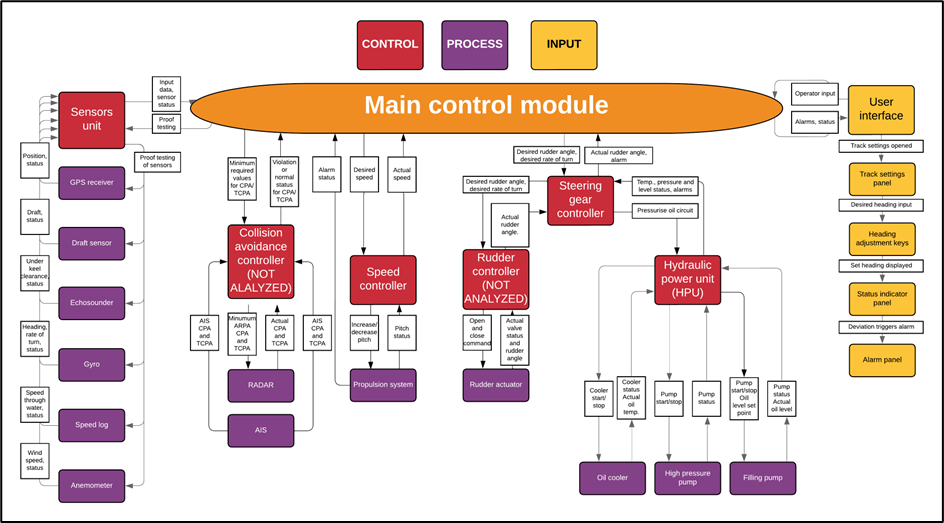
Figure 22: Autonomous bridge control system
(Lahtinnen, 2024)
In the above illustration every white box indicates a data message traveling inside a system. Simultaneously, every white box represents a cybersecurity threat when data is transmitted between components. Deliberate GPS disturbance is now widely discussed. This challenge is an example of a situation where we cannot remove the root cause of the hazard. We can only increase redundance and make sure we become aware of the issue as soon as it manifests itself. This also is a subject with the same gravity in autonomous and conventional vessels.