Chapter 8 - Theory
5. AI for maritime cybersecurity and predictive analysis
Cybersecurity has become a critical concern for protecting vital functions such as navigation, cargo management, and communication networks. Artificial Intelligence (AI) has emerged as a powerful tool to address these security challenges. By analyzing vast amounts of data, AI systems can detect threats more accurately, expedite responses, and mitigate operational disruptions (Kaur et al., 2023). This document provides an overview of AI, Machine Learning (ML), and Deep Learning (DL), outlines the development of lifecycles of machine learning models, and discusses how these technologies can strengthen maritime cybersecurity and operational efficiency.
Beyond detecting attacks, AI also improves vessel performance and energy efficiency by analyzing ship sensor data to predict possible mechanical failures before they happen (Tu et al., 2018). This technique helps schedule repairs at the most cost-effective times and prevents unexpected breakdowns. Additionally, AI can dynamically modify a ship’s speed and route based on weather conditions, cargo load, or fuel consumption, ultimately cutting operating costs and lowering environmental impact.
Another critical application is AI-driven visual surveillance, which strengthens maritime security by monitoring onboard activities for unauthorized access or unusual behavior (Şengönül et al., 2023). Deep learning models, such as convolutional neural networks, can recognize anomalies in cargo handling or detect when personnel enter restricted zones. For example, robotic systems can safely and efficiently remove goods from containers that arrive in random order, reducing manual labor risks and improving operational accuracy (Mojtahedzadeh et al., 2015).
Fundamentals of AI, ML, and DL
Artificial Intelligence is a broad field of computer science focused on creating systems that can perform tasks normally requiring human intelligence, such as understanding language, recognizing patterns, or making decisions. Early AI research relied heavily on what are called “rule-based” systems, where experts wrote down detailed sets of IF-THEN instructions as shown in Figure 23. For example, a cybersecurity rule might say, “IF a computer registers multiple failed login attempts, THEN temporarily block the user.” Such systems work well in situations where rules can be clearly defined, but they can struggle when facing new or unexpected problems.
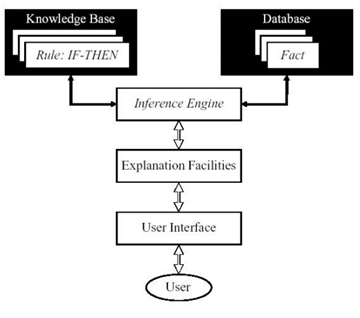
Figure 23: AI Rule based systems structure
(Mojtahedzadeh et al., 2015)
Modern AI moves beyond relying solely on manually written rules. Instead, it uses techniques like Machine Learning, which enable computers to learn from data without being explicitly programmed for every possible scenario. Rather than specifying instructions for each situation, we provide the system with vast amounts of information, allowing it to analyze patterns and make its own decisions. This process mirrors how humans learn through experience by observing numerous examples, recognizing relationships, and gradually improving their understanding. In maritime operations, for instance, ML can analyze data from GPS tracking systems to detect unusual vessel movements that may indicate unauthorized access or piracy threats. By continuously learning from real-time location data and past incidents, AI can recognize deviations from normal routes or behaviors, triggering alerts before potential security risks escalate. Over time, ML models refine their predictions and adapt to new cases, making them more effective at handling complex and evolving problems without requiring direct human intervention for every decision.
Within ML, there are different ways to learn. In one approach, often called supervised learning, the system is shown examples that already have answers or labels. Over time, it figures out how those answers relate to each example so it can predict outcomes for new, unseen data. Depending on the type of problem, supervised learning can be used for classification, where the goal is to assign data points to specific categories, such as detecting whether a vessel's communication is legitimate or a potential cyber threat. It can also be used for regression, where the model predicts continuous values, such as estimating fuel consumption based on speed, cargo weight, and weather conditions.
In another approach, known as unsupervised learning, the system works with information that has no labels, so it has to discover hidden patterns on its own like grouping similar items together. This is useful in maritime cybersecurity when analyzing network traffic to detect anomalies that might indicate cyberattacks, as the system can cluster normal and abnormal behavior without prior knowledge of what an attack looks like.
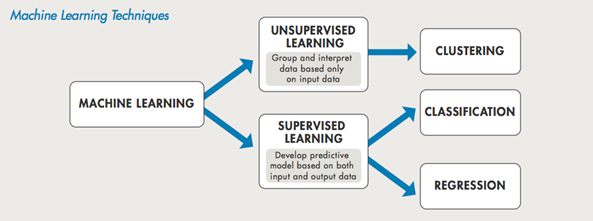
Figure 24: Machine learning techniques
A third approach, called reinforcement learning (RL), involves learning from trial and error. Unlike supervised learning, where the system is given labeled examples of correct answers, reinforcement learning operates in an environment where it must discover the optimal behavior through interaction. The system, often referred to as an "agent," tries different factions within this environment and receives feedback in the form of rewards or penalties. A reward signals that an action was desirable, while a penalty indicates an undesirable action. The agent's goal is to learn a "policy," which is a mapping from states (the current situation the agent is in) to actions, which maximizes its cumulative reward over time. For example, in robotic control, RL can be used to teach a robot how to walk. The robot starts by taking random steps, receiving feedback based on stability, energy efficiency, and forward movement. Over multiple iterations, it learns to adjust its joint movements to walk more efficiently, improving balance and minimizing energy expenditure (Song et al., 2021).
Deep Learning takes artificial intelligence a step further by attempting to mimic the way the human brain processes information. At its core, it uses artificial neural networks, which are structured similarly to biological neurons, to automatically learn and recognize patterns in vast amounts of data. Unlike traditional machine learning, where humans often need to manually select and define the most relevant features for a model to work, deep learning models extract these features on their own, making sense of raw data without explicit programming. The system determines which aspects of the data are most important, enabling it to identify patterns and make decisions with minimal human intervention.
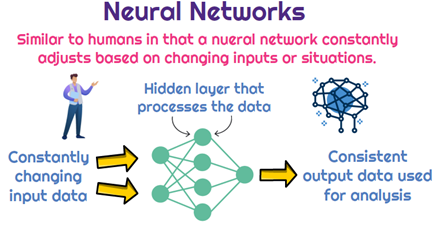
Figure 25: Adaptive Learning Systems That Process Changing Input Data to Generate Consistent Output for Analysis 1.
Just as the human brain has specialized regions for different tasks, deep learning models are designed with architectures that focus on specific types of data. When processing visual information, for example, the brain's visual cortex recognizes objects by detecting edges, shapes, and textures before forming a complete image. Inspired by this, Convolutional Neural Networks (CNNs) (Jorgecardete, 2025) are built to handle vision-related tasks, automatically learning relevant features from images without the need for manual input. For example, CNNs can be used for facial expression recognition by analyzing facial images and identifying emotions such as anger, happiness, or surprise. Instead of requiring humans to manually define what each emotion looks like, the model learns patterns by examining thousands of facial images. Through convolutional and pooling layers, it extracts meaningful features such as facial muscle movements and expressions, which are then processed by fully connected layers and classified using a SoftMax function to determine the most likely emotion.
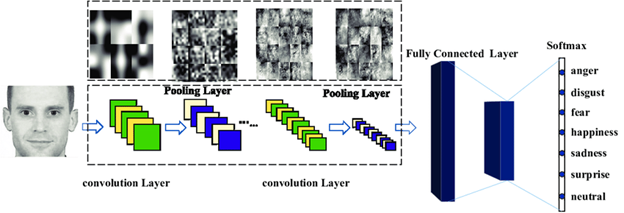
Figure 26: Deep Learning-Based Facial Emotion Recognition Pipeline.
Memory and sequence processing in the human brain also play a crucial role in decision-making and pattern recognition, which is where deep learning models such as Recurrent Neural Networks (RNNs) and Long Short-Term Memory (LSTM) networks come into play. The way humans remember past experiences and use them to influence present decisions is what these models attempt to replicate. They are particularly effective in handling sequential data, such as language, time-series predictions, or network traffic analysis.
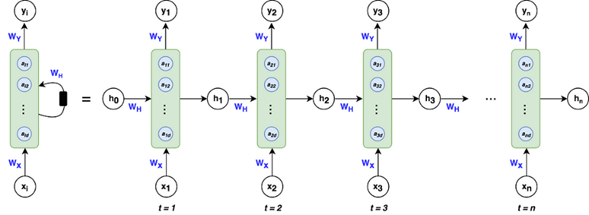
Figure 27: Simple Recurrent Neural Network architecture
(Khuong, 2025)
Language processing is another domain where deep learning excels, mimicking the way the human brain interprets and generates speech. Transformer-based models such as BERT and GPT analyze vast amounts of text, learning to understand language patterns without requiring predefined grammar rules. In maritime cybersecurity, such models can scan emails, radio communications, and system logs to detect phishing attempts, fraudulent messages, or unauthorized instructions disguised as normal communication. Instead of relying on simple keyword detection, these models understand context and intent, making them highly effective at flagging subtle threats that traditional rule-based systems would miss.
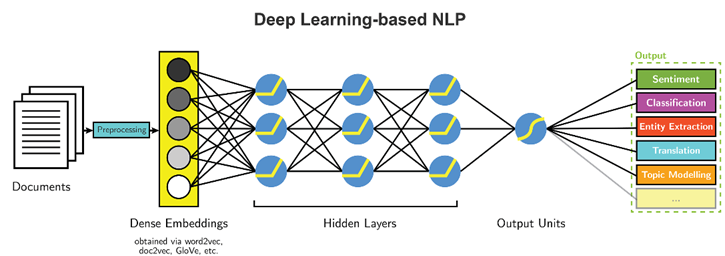
Figure 28: Deep learning-based NLP2.
Deep learning's core strength lies in its capacity to automatically learn relevant features from vast amounts of unstructured data. Unlike traditional machine learning approaches, where human experts must engineer features (i.e., decide which aspects of the data are important), deep learning models excel at discerning these features independently as shown in Figure 29. Whether the data consists of images, network logs, sensor readings, or text, the system analyzes numerous examples, gradually refining its understanding and autonomously identifying the most informative patterns. This eliminates the need for manual feature engineering, a process that can be time-consuming, requires specialized domain expertise, and may not capture all the nuances hidden within the data.
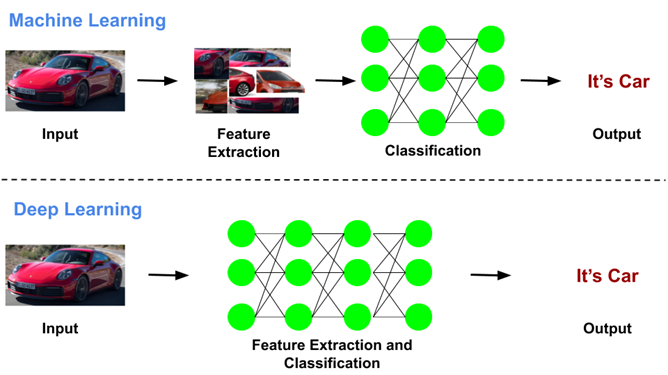
Figure 29: Differences between machine learning and deep learning pipeline3.
In the maritime industry, AI can be integrated into cybersecurity systems to process the vast amounts of data produced by ships, ports, and satellite links. As threats evolve, ML and DL models can continually update themselves using new information, spotting risks or attacks that may never have been explicitly described by human-written rules. This ability to adapt and refine over time is what makes AI so valuable for tackling modern cybersecurity challenges. Figure 30 provides a high-level overview of AI applications in cybersecurity.
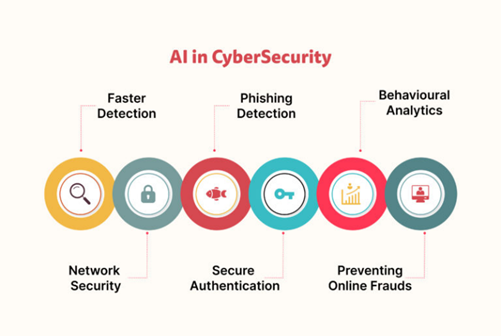
Figure 30: Applications of Ai in Cybersecurity4.
Machine Learning/Deep learning Model Development
The process of developing a machine learning or deep learning model follows a structured series of steps, from acquiring data to deploying and maintaining the model. Each step plays a crucial role in ensuring that the system can make accurate, reliable predictions in real-world settings. Below is a detailed breakdown of the entire pipeline, along with explanations to make it more understandable for those unfamiliar with the field.
Data Acquisition: Gathering Relevant Information
The first step in any ML or DL project is acquiring data. Without high-quality data, even the best algorithms will struggle to produce useful results. Data can come from various sources, depending on the problem at hand. In the case of maritime cybersecurity, for example, relevant data may include network traffic logs, security event records, and system performance metrics. Network logs capture communication between devices, helping to identify unusual patterns that may indicate cyber threats. Security event logs contain alerts generated by cybersecurity systems when suspicious activity is detected. System performance data, such as CPU usage or memory activity, can provide insight into potential security breaches or failures. The type of data collected depends entirely on the specific problem the model is intended to solve. For intrusion detection, packet-level network data might be required, while for ship surveillance, real-time video footage would be more relevant.
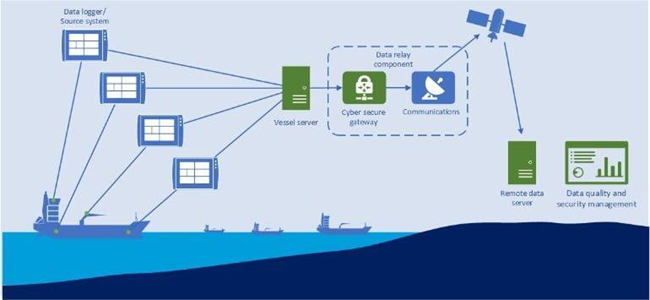
Figure 31: Example of Data Acquisition in maritime5.
Data Preparation: Cleaning and Formatting Data for Analysis
Raw data is often unstructured, inconsistent, or contains errors that can negatively impact model performance. To ensure that the data is usable, it must go through a preparation phase. This process involves several key steps, including handling missing values, removing noise, and standardizing inputs. Missing values can occur due to faulty sensors or incomplete logs and need to be addressed by either filling them in with estimated values or discarding incomplete records. Noise, such as corrupted data points or irrelevant information, must be removed to prevent the model from learning incorrect patterns. Standardization is another crucial step, as data often comes in different formats or units. For instance, timestamps in network logs may need to be converted into a consistent time zone, or numerical values may need to be normalized to ensure that they are on a comparable scale. In structured datasets, such as tables of network activity, this phase may also include removing duplicate entries. For unstructured data like images or text, preprocessing might involve resizing images, reducing background noise, or converting words into numerical representations that the model can process.
Feature Engineering: Identifying or Creating Meaningful Patterns
In traditional machine learning, models do not inherently understand which aspects of the data are relevant. Instead, experts must manually define the features that are most useful for solving the problem. This process, known as feature engineering, involves selecting, transforming, or creating new variables from raw data to enhance model performance. Effective feature engineering can significantly improve a model’s accuracy by providing it with meaningful information. For example, in an intrusion detection system, raw network traffic logs may contain details such as IP addresses, timestamps, packet sizes, and connection statuses. However, these raw values alone may not be informative enough for the model. To improve detection, an expert might create new features based on statistical patterns or behavioral trends. One such feature could be the connection attempt rate, where the number of connection requests from a specific IP address is measured within a given time window, such as 10 seconds. A sudden spike in connection attempts might indicate a brute-force attack.
Deep learning, however, eliminates much of the need for feature engineering. Instead of relying on human intuition to define important features, deep neural networks automatically learn patterns directly from raw data. This is one of DL’s major advantages over traditional ML. It can process unstructured data, such as images, audio, and text, without requiring explicit rules for feature extraction. For instance, in image recognition, a convolutional neural network can learn to detect edges, textures, and complex objects without human intervention, making it highly effective for applications such as analyzing real-time surveillance footage on ships.
Model Selection: Choosing the Right Algorithm
Once the data has been prepared, the next step is selecting the best model for the problem. The choice of algorithm depends on factors such as the type of data, the complexity of the task, and the available computational resources. In traditional ML, models such as decision trees, support vector machines (SVMs), or random forests are commonly used, particularly when working with structured datasets. These models require manually defined features but can perform well with relatively small datasets.
Deep learning models, on the other hand, are more powerful but require large amounts of data and computational resources. CNNs are particularly effective for image-related tasks, such as detecting objects in maritime surveillance footage. Recurrent neural networks or transformers are better suited for sequential data, like analyzing communication logs over time to detect patterns of cyber threats. Choosing the right model is a crucial step, as the wrong choice can lead to poor performance or inefficient computation.
Model Training: Learning from Data
After selecting a model, the next step is training it to make predictions. Training involves feeding data into the model, allowing it to learn patterns, and adjusting its internal parameters to improve accuracy. The model makes initial predictions, and a loss function measures how far these predictions are from the correct answers. If the loss is high, it means the model is making poor predictions. To improve, an optimization process, such as gradient descent, updates the model’s parameters (known as weights) to gradually reduce the loss. This iterative process continues until the model reaches an acceptable level of accuracy.
In supervised learning, the model is trained on labeled data, meaning each input has a known correct output (e.g., class labels in classification or target values in regression). The goal is to minimize the difference between predictions and true labels, typically using loss functions such as cross-entropy (for classification) or mean squared error (for regression).
In deep learning, this process is computationally intensive and requires large datasets. Unlike traditional ML, where training might be completed in minutes or hours, training deep neural networks can take days or even weeks, depending on the complexity of the architecture and the size of the data. To handle this complexity, deep learning frameworks such as TensorFlow and PyTorch provide efficient tools for model building, automatic differentiation, and hardware acceleration. These libraries support dynamic computation graphs and offer a wide range of prebuilt functions for optimizing models. Hyperparameter tuning, adjusting parameters like learning rate, batch size, and number of training epochs is essential to ensure the model converges effectively.
In unsupervised learning, the model is trained on unlabeled data, meaning it does not have predefined categories or correct answers. Instead of predicting specific outputs, the model identifies patterns, structures, or clusters in the data.
-
Clustering algorithms group similar data points together based on distance measures.
-
Dimensionality reduction techniques can compress high-dimensional data into a lower-dimensional form while preserving essential information.
-
Generative models learn to generate new data samples that resemble the training distribution.
Since no explicit loss function compares predictions to ground truth, training often involves unsupervised objectives, such as minimizing reconstruction error or maximizing variance between clusters.
Model Validation and Testing: Evaluating Performance
Once training is complete, it is essential to test how well the model generalizes to new, unseen data. This is done through validation and testing, using separate datasets that were not part of the training process. If a model performs well during training but fails to make accurate predictions on new data, it is likely to be overfitted, meaning it has learned patterns too specific to the training set and does not generalize well to unseen data. Performance metrics such as accuracy, precision, recall, and the F1-score are used to evaluate the model’s effectiveness. Accuracy measures the proportion of correct predictions, while precision and recall provide insights into the model’s reliability in detecting specific categories, such as cyber threats. The F1-score balances precision and recall, offering a more comprehensive assessment. If the model’s performance is unsatisfactory, adjustments can be made by collecting more data, refining feature selection (in ML), or fine-tuning hyperparameters.
Deployment and Continuous Monitoring: Using the Model in the Real World
Once the model achieves satisfactory accuracy and robustness, it is deployed into a real-world environment where it begins making predictions on live data. However, deployment is not the final step, ongoing monitoring and maintenance are necessary to ensure continued performance. In maritime cybersecurity, for instance, new cyber threats emerge constantly, and a model trained on past attack patterns may become outdated over time. To prevent performance degradation, models need periodic retraining on updated data, continuous monitoring for errors, and improvements to adapt to evolving conditions. Failure to do so can lead to outdated predictions, security vulnerabilities, or declining accuracy.
A high-level overview of the training pipeline for a supervised machine learning model is shown in Figure 32.
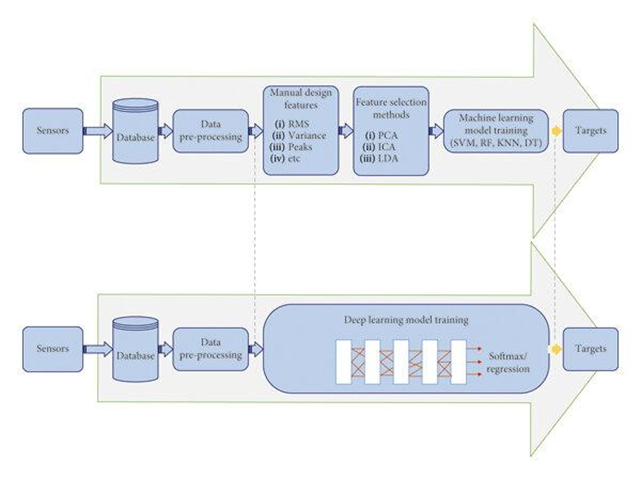
Figure 32: Overview of the training pipelines for ML/DL models6.
Applications of Ai in Maritime Cybersecurity
Intrusion Detection Systems (IDS)
An Intrusion Detection System (IDS) is a security solution designed to detect unauthorized access, malicious activity, and potential threats by continuously monitoring network traffic, user behavior, and system logs. The placement of an IDS depends on its type. A Network-Based IDS (NIDS) is typically placed between the firewall and the internal network, as shown in Figure 33, where it inspects all incoming and outgoing traffic for suspicious patterns before they reach critical systems. If an attacker bypasses the firewall, the IDS detects anomalies and generates an alert for further investigation. On the other hand, a Host-Based IDS (HIDS) is installed directly on individual devices, such as a ship’s navigation system, servers, or workstations, where it monitors system logs, file integrity, and user activity to detect malicious changes. In maritime contexts, IDS play a crucial role in protecting critical operations such as cargo management, navigation, and communication networks (MarPoint, 2025).
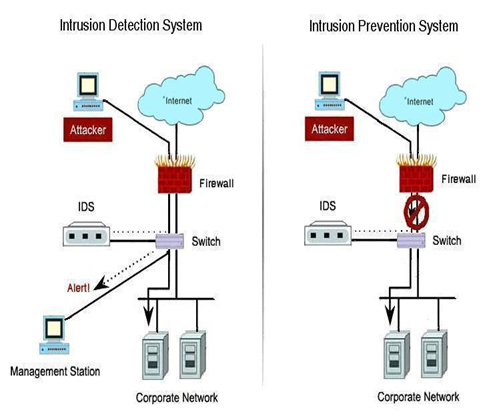
Figure 33: Intrusion Detection System7
DS utilizes two primary approaches to detect malicious behavior:
-
Signature-based Detection: Compares observed activities against a database of known attack signatures using string-matching techniques. This method is highly effective for identifying previously known threats but fails to detect new or evolving attacks.
-
Behavior-based Detection: Monitors deviations from normal activity patterns, allowing it to identify novel or unknown threats. While more adaptive, this method may generate more false positives.
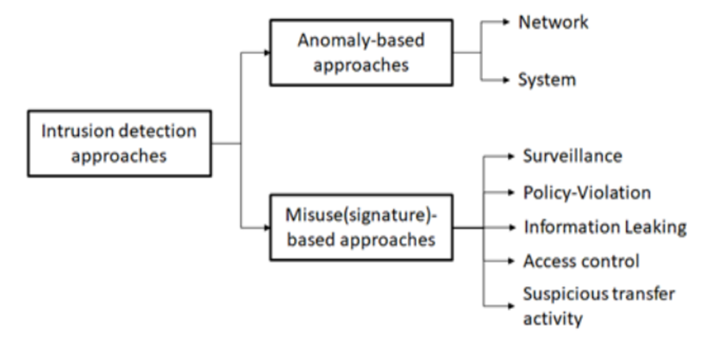
Figure 34: Classification of Intrusion Detection Approaches8.
AI-driven IDS enhance security by analyzing data in real time, identifying anomalies, and distinguishing typical network patterns from harmful intrusions. By integrating both supervised methods, which rely on known attack signatures, and unsupervised methods, which detect unusual deviations from normal activity, AI-based IDS reduce false alarms and improve detection accuracy.
AI-powered IDS use machine learning algorithms to detect threats more accurately. These algorithms help IDS recognize both known and unknown cyberattacks.
-
Supervised Learning: This approach trains an AI model using past attack data labeled as "safe" or "dangerous." The AI learns from this data and then applies its knowledge to detect new threats.
-
Unsupervised Learning: Unlike supervised learning, this method does not require labeled data. Instead, AI identifies unusual activity by detecting patterns that don’t match normal behavior.
A common problem with traditional IDS is false positives, where harmless network activity is mistakenly flagged as a threat. AI reduces false alarms by learning from previous mistakes and improving their accuracy over time. AI can also combine multiple detection methods to improve results. By blending signature-based and behavior-based detection, AI-powered IDS minimize errors while maintaining strong security. Some AI models even use reinforcement learning, a technique where AI continuously adjusts its detection rules based on feedback.
Since an IDS is a passive system, it does not take direct action against detected threats. Instead, it generates alerts for human operators or integrates with security information and event management (SIEM) systems for further analysis and response. Intrusions can originate from both external and internal sources, making IDS an essential component of cybersecurity strategies across industries.
Intrusion Prevention Systems (IPS)
An Intrusion Prevention System (IPS) is a security technology designed to detect and proactively prevent malicious activity within a network or system. Unlike an IDS, which passively monitors and alerts suspicious activity, an IPS takes direct action to block, mitigate, or stop attacks in real time. Essentially, while IDS is a monitoring tool, IPS functions as a control system that actively prevents threats before they cause harm in operations like navigation, cargo handling, or communication links (Sowmya and Anita, 2023).
IPS is typically deployed behind a firewall but before internal systems, allowing it to inspect both inbound and outbound traffic as shown in Figure 35. Unlike a firewall, which primarily filters based on predefined rules, an IPS uses advanced analytics to detect and block dynamic threats in real time. In some network architectures, IPS works alongside IDS, where IDS detects and alerts administrators, while IPS takes active measures to neutralize threats.
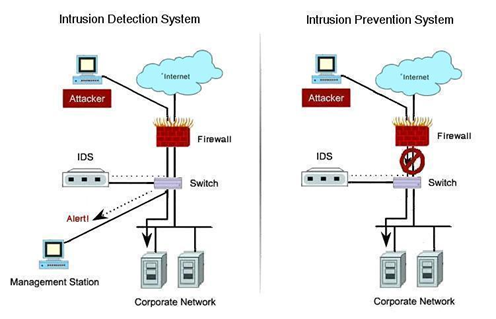
Figure 35: Intrusion Prevention System9
Key actions performed by an IPS:
-
Sending alerts to administrators.
-
Dropping potentially harmful packets.
-
Blocking connections from malicious sources.
-
Restarting compromised connections to prevent further exploitation.
-
AI-Driven IPS for Enhanced Security
Modern IPS solutions leverage AI-driven analytics and real-time data feeds to detect and block threats more effectively. By continuously learning from historical and emerging attack patterns, these systems improve their accuracy and reduce false positives. By integrating AI-driven analytics with real-time data feeds, modern IPS enhance security by isolating infected endpoints, blocking malicious IP addresses, and dynamically modifying firewall rules to prevent the lateral spread of threats across shipboard and port networks (Maritime Intelligence, 2025). A notable example of this is Cisco's implementation of a network-based IPS, which effectively detected and mitigated internal network threats before they could cause data loss or service disruptions. By analyzing both inbound and outbound traffic within the company, Cisco’s IPS provided a critical layer of defense, demonstrating the effectiveness of AI-enhanced IPS in proactively neutralizing cyber threats before they escalate (Contentree, 2025).
Open-Source Intrusion Detection & Prevention Systems
As cyber threats continue to evolve, open-source IDS and IPS have become essential tools for monitoring and securing networks. Two of the most widely used open-source IDS/IPS solutions are Snort and Suricata, both of which provide real-time threat detection and prevention while offering flexibility and customization.
Snort: A Rule-Based IDS/IPS
Snort, originally developed by Martin Roesch in 1998, is a signature-based IDS/IPS capable of performing real-time traffic analysis and packet logging on IP networks. It utilizes a rule-based language that enables it to integrate signatures, protocol, and anomaly-based detection techniques to identify a wide range of cyber threats, including denial-of-service (DoS) attacks, buffer overflows, stealth port scans, and CGI attacks.
Snort operates by sniffing network packets using libraries like libpcap and WinPcap and can function in three primary modes:
-
Packet Sniffing Mode – Captures and monitors raw network traffic.
-
Packet Logging Mode – Records network packets for analysis and debugging.
-
Intrusion Detection Mode – Compares network activity against predefined rules and sends alerts when threats are detected.
A key advantage of Snort is its adaptable rule language, which allows users to define custom security policies. It integrates well with firewalls to provide an additional layer of defense, making it a valuable tool for internal network monitoring.
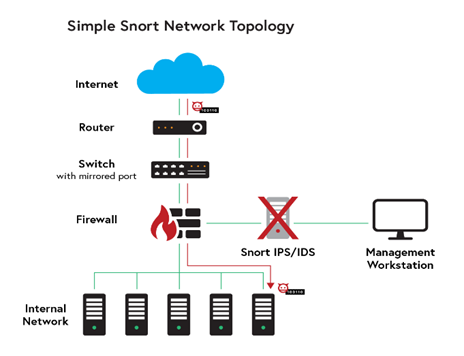
Figure 36: Simple Snort Network Topology10.
Suricata: High-Performance IDS/IPS & Network Security Monitoring (NSM)
Suricata, developed by the Open Information Security Foundation (OISF), is a next-generation IDS/IPS that expands upon traditional network security monitoring with deep packet inspection (DPI) and native multi-threading. Unlike Snort, which primarily focuses on signature-based detection, Suricata can analyze multiple protocol layers (including HTTP, TLS, DNS, and SMB) to detect more sophisticated and evasive threats.
One of its key advantages is its ability to process network traffic at high speeds due to its multi-threaded architecture, making it well-suited for enterprise-level deployments and cloud-based security environments. Additionally, it integrates seamlessly with various security information and event management tools and data analytics platforms, enabling real-time visualization and analysis of potential threats.
Another unique feature of Suricata is its Network Security Monitoring (NSM) functionality, which enables it to extract metadata from network traffic in addition to detecting intrusions. This capability helps cybersecurity teams investigate security incidents more effectively, providing deeper insights into network behavior.
Deep Packet Inspection for Advanced Threat Detection
Deep Packet Inspection (DPI) goes beyond examining packet headers by analyzing the payload and metadata of transmitted data, providing granular visibility into protocols, application-layer content, and user-defined behavior. Unlike traditional packet filtering, which only inspects the IP and TCP/UDP headers, DPI examines the entire packet, allowing it to identify malicious payloads, policy violations, or encrypted threats that simpler, header-only filtering systems often overlook (Leslie, 2020).
A DPI engine operates by inspecting packet contents in real time, using signature-based matching, heuristics, and anomaly detection to filter traffic. It can classify packets based on protocol, application type, and content, which is essential for identifying threats hidden in legitimate-looking network traffic. For example, DPI can differentiate between normal HTTP traffic and an HTTP-based attack, such as SQL injection or command-and-control malware communication. DPI is also capable of decrypting SSL/TLS traffic for security analysis, ensuring that encrypted packets do not bypass security controls. Many modern cyberattacks leverage encrypted payloads to hide malicious activity, but AI-powered DPI can identify behavioral anomalies even in encrypted sessions, such as unusual data transfer patterns or traffic to known malicious domains.
When paired with AI or machine learning algorithms, DPI enhances threat detection by learning from past network patterns and detecting zero-day attacks or advanced persistent threats that evade traditional security measures.
If an anomaly is detected, DPI systems can take automated response actions, such as isolating a compromised endpoint, terminating suspicious connections, or dynamically reconfiguring firewall rules to prevent malware propagation across maritime IT and OT networks (Ipoque, 2025).
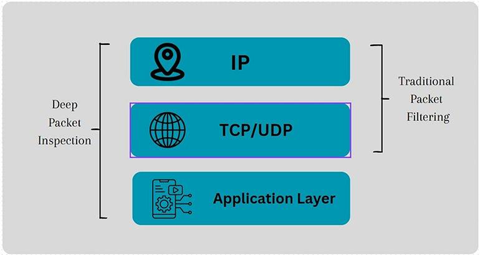
Figure 37: Comparison of Traditional Packet Filtering vs. Deep Packet Inspection
(Nethmal, 2025).
Generative Adversarial Networks for Data Augmentation and Defense
Generative Adversarial Networks (GANs) consist of two competing neural networks: a generator that creates synthetic data and a discriminator that evaluates its authenticity as shown in Figure 38. Originally developed for image synthesis and deepfake generation, GANs have proven highly effective in cybersecurity applications, particularly in intrusion detection, adversarial training, and malware analysis. By generating highly realistic attack samples, GANs enhance machine learning-based security models, allowing them to recognize both known and previously unseen threats (Zhao, 2024).
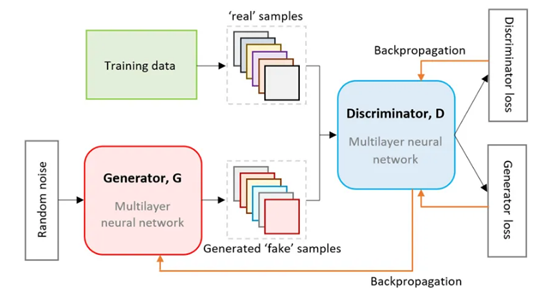
Figure 38: Architecture of a GAN network
(TVS, 2025).
One of the applications of Generative Adversarial Networks (GANs) in cybersecurity is their ability to produce synthetic malware patterns or exploit attempts, effectively augmenting training datasets for IDS and IPS. Traditional IDS/IPS solutions rely on signature-based detection, which struggle against zero-day threats and polymorphic malware that continuously evolve. By training IDS/IPS models on GAN-generated adversarial samples, cybersecurity systems can improve their resilience against previously unknown attack strategies. GANs have also been applied in automated penetration testing, where they generate phishing email variations, brute-force attack payloads, or exploit scripts to test an organization’s security posture. By simulating real-world cyber threats, GAN-driven penetration testing allows for continuous security assessment without exposing systems to actual attacks.
Beyond intrusion detection, GANs are widely used in anomaly detection. A GAN-based anomaly detector first learns the statistical distribution of normal network behavior and then detects subtle deviations that might indicate stealthy cyber threats, obfuscated malware, or data exfiltration attempts. Unlike traditional rule-based anomaly detection, GANs continuously adapt to new network conditions, reducing false positives while improving detection accuracy. This ability to recognize anomalous behaviors is particularly useful in detecting advanced persistent threats that blend into legitimate traffic.
Another innovative use of GANs is in adversarial training, where cybersecurity models are hardened against evasive attack techniques. Attackers often use adversarial machine learning techniques to manipulate IDS/IPS models, crafting attack payloads that bypass traditional detection mechanisms. By training GANs to simulate adversarial attacks, cybersecurity defenses can be stress-tested and fortified, ensuring robustness against adversarial attacks.
Anomaly Detection
While IDS often focus on specific types of intrusions, anomaly detection is a broader technique that identifies any atypical or out-of-place behavior, potentially signaling a system fault or cyber threat. By monitoring indicators like system resource usage, network latency, and login attempts, anomaly detection algorithms build a baseline of what “normal” activity looks like. Any major variation from this pattern may represent a security issue or operational problem. In many maritime applications, AI systems can initiate automated countermeasures, such as isolating compromised networks or adjusting firewall rules to contain potential threats swiftly (Ribeiro et al., 2023). This prompt, autonomous response is vital in maritime operations, where small incidents can rapidly escalate into large-scale logistical or safety challenges if not addressed immediately.
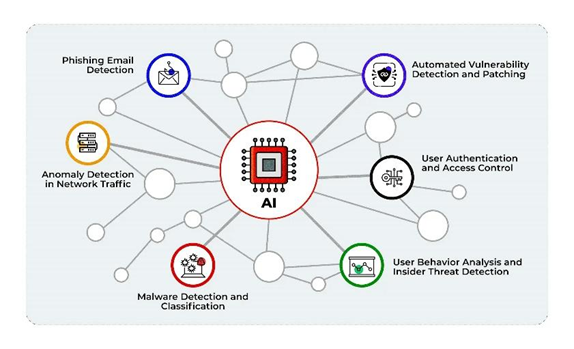
Figure 39: Applications of anomaly detection in cybersecurity11.
Predictive Analysis for Cyber Threats
Predictive analysis uses historical data and behavioral patterns to anticipate potential weaknesses and future attack strategies, thereby offering proactive cyber defense. By examining large volumes of past incidents, AI models can isolate factors that frequently precede attacks (Merrick, 2022). In practice, these algorithms simulate various assault scenarios to identify weak spots, providing security teams with a clear picture of where they should allocate resources first. By assigning risk scores to different threats, maritime operators can prioritize and strengthen their defenses to keep critical systems safe. This approach not only reduces immediate risks but also enhances long-term resilience against evolving cyber threats (Meijer and Wessels, 2019). Predictive analytics is often integrated with Security Information and Event Management systems to correlate real-time data from multiple sources, improving accuracy in threat anticipation. When combined with Intrusion Detection and Prevention Systems, these models can trigger automated defensive measures to block threats before they materialize.
Potential Vulnerabilities and Adversarial Attacks
Although AI significantly strengthens maritime cybersecurity, it also introduces potential vulnerabilities that adversaries may try to exploit. Adversarial attacks involve feeding carefully crafted data to AI models, tricking them into making incorrect judgments or ignoring genuine threats (Qiu et al., 2019). For instance, malicious actors might camouflage malware so that an AI-based detection system misclassifies it as benign. Another danger is model poisoning, where attackers inject false or misleading information into the training data, gradually degrading the model’s accuracy.
To guard against these tactics, maritime organizations often adopt a range of protective measures. One is regular retraining with data verified for integrity, ensuring the model remains accurate and up to date. Adversarial training, in which the model is deliberately exposed to deceptive inputs during development, also helps it learn to identify and resist manipulative attacks. Finally, robust data pipelines and access controls are essential for safeguarding both the training process and the operational use of AI, preserving the many advantages it brings to maritime security and efficiency.
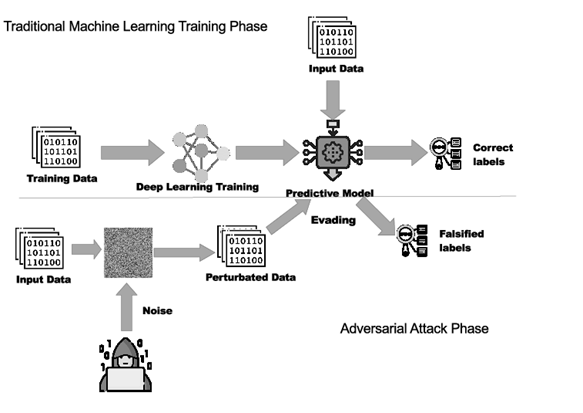
Figure 40: Example of an adversarial attack
(Catak & Sule, (2020).
AI challenges and limitations
AI-driven Systems offer enhanced capabilities for identifying and mitigating cyber threats, yet they introduce a range of challenges and limitations that organizations must address to maximize their effectiveness.
Data Quality and Availability
One significant issue involves data quality and availability. Since these systems heavily rely on large volumes of high-quality data to train and improve their detection algorithms, any inaccuracies or gaps in that data can lead to flawed predictions or missed threats. Organizations often face difficulties when attempting to integrate data from multiple network segments and disparate sources (Palo Alto Networks, 2025). This can result in an incomplete picture of user activities and system behavior, creating gaps in threat detection.
False Positives and Alert Fatigue
Another challenge arises from the high volume of false positives. Although AI aims to reduce these erroneous alerts, it can still generate a flood of warnings that overwhelm security teams. This situation can cause alert fatigue, where security personnel begin to overlook potentially significant alerts due to the constant influx of low-risk notifications (Olateju et al., 2024). Managing and investigating these numerous alerts requires considerable time and resources, potentially diverting attention away from legitimate threats.
Complexity and Lack of Interpretability
Complexity and interpretability pose additional hurdles. Modern AI techniques, particularly deep learning, can produce results through opaque decision-making processes. Security analysts may find it difficult to trust or act on alerts when they cannot understand how or why the AI model arrived at a particular conclusion (Digital Leaders, 2025). As a result, ensuring the system provides clear explanations and justifications is crucial for building trust in AI-driven security tools.
Integration with Existing Systems
In many organizations, integration with existing systems is anything but smooth. AI-driven systems must function seamlessly with an organization’s existing security infrastructure, which can involve compatibility issues and require substantial technical expertise. Legacy systems often need upgrades before they can handle the data processing demands and advanced analytics of AI. These requirements not only add to the complexity of deployment but also create additional costs and extended timelines for implementation.
Vulnerability to Adversarial Attacks
AI models themselves can be vulnerable to adversarial attacks, where malicious actors deliberately manipulate inputs to deceive the system. This includes introducing misleading patterns or signals that cause the AI to misclassify threats or grant unauthorized access. Mitigating these attacks calls for constant monitoring and updates to ensure the models remain robust in the face of evolving adversarial techniques (MetaCompliance, 2025).
Bias in AI Models
Bias within AI models is a further concern. If the training data is skewed or reflects certain prejudices, the IDS might unfairly flag specific groups, types of activities, or user behaviors. This can lead not only to ethical issues but also to suboptimal security outcomes, as skewed focus may cause the system to miss broader threats (ISC², 2024). Identifying and mitigating bias is therefore crucial to ensure fairness and maintain the integrity of the detection process.
Regulatory and Compliance Challenges
Regulatory and compliance requirements introduce yet another layer of complexity. Many industries, including the maritime sector, must adhere to strict data privacy and cybersecurity laws to ensure secure handling of user, customer, and operational data. AI-driven solutions must generate clear audit trails and offer sufficient transparency to prove compliance during audits, adding administrative and technical burdens to the implementation process (Ethico, 2024). Compliance with frameworks such as NIST Cybersecurity Framework, ISO 27001 and the ENISA guidelines among others, is critical for ensuring secure and lawful deployment of AI-enhanced cybersecurity systems.
High Implementation and Maintenance Costs
Cost is also a significant consideration. Upfront expenses for specialized hardware, software licenses, and professional services can be high, and ongoing maintenance, updates, and model retraining involve continual spending. As a result, smaller organizations may struggle to justify or afford the long-term investment required to deploy and maintain AI-driven capabilities at scale (Modern Diplomacy, 2024).
Shortage of Skilled Professionals
Additionally, there is often a noticeable gap in the necessary expertise for managing AI-based security systems. Organizations might find it challenging to recruit or train enough professionals with both AI knowledge and security experience. Keeping staff updated on rapidly evolving AI techniques and cybersecurity threats demands a commitment to ongoing education and training programs (Technology Magazine, 2024).
Privacy Concerns
Finally, privacy concerns come to the forefront when using AI-driven IDS to monitor user behavior. Gathering and analyzing such detailed information can conflict with data protection laws if not handled carefully. Organizations must ensure that user data is collected, stored, and processed in a way that respects individuals’ privacy rights and complies with regulations like GDPR (Stewart, 2024). Achieving this balance requires obtaining user consent, clearly stating monitoring policies, and maintaining rigorous data governance practices.
By addressing these challenges, from data quality and false positives to interpretability, cost, bias, skill gaps, and privacy concerns, organizations can leverage the full potential of AI-driven solutions while maintaining robust security and regulatory compliance.
In summary, AI is transforming maritime cybersecurity by enhancing threat detection, preventing cyberattacks, and optimizing vessel operations. Through machine learning and deep learning, AI-driven systems such as IDS, IPS, and DPI help monitor, analyze, and respond to security risks in real time. Predictive analytics further strengthens cyber defenses by identifying vulnerabilities before attacks occur. However, AI adoption comes with challenges, including adversarial attacks, bias, and integration complexities. To ensure resilience, continuous advancements in AI security strategies such as adversarial training, improved regulatory compliance, and adaptive learning models are essential. As cyber threats evolve, AI will play an increasingly vital role in safeguarding maritime operations while enhancing operational efficiency and security.