Chapter 2 - Theory
| Site: | CyberSEA training platform |
| Course: | CyberSEA Training Course - English |
| Book: | Chapter 2 - Theory |
| Printed by: | Guest user |
| Date: | Saturday, 21 November 2026, 11:59 PM |
Description
Introduction to Cybersecurity in Maritime
Table of contents
- 1. Introduction
- 2. Digital transition in shipping and arising challenges
- 3. Importance of cybersecurity in maritime operations
- 4. Differences between IT and OT in the maritime context
- 5. Role of IoT in maritime systems
- 6. Overview of shipboard systems
- 7. Human factors and cybersecurity culture
- 8. Regulatory frameworks and the CIA Model
- 9. Case Study: The Maersk NotPetya Cyber Attack
- 10. Conclusion
1. Introduction
The maritime sector, a vital component of global trade, is undergoing a significant digital transition. The integration of cutting-edge technologies is transforming how vessels are operated, managed, and maintained. While these advancements enhance efficiency, safety, and sustainability, they also introduce a host of new cybersecurity challenges. The adoption of digital technologies such as automation, IoT (Internet of Things), and data analytics in shipping operations has expanded the surface area for potential cyberattacks, making cybersecurity a paramount concern for the industry.
This chapter provides an in-depth exploration of the evolving landscape of cybersecurity in maritime operations. It covers the digital transformation in the sector, highlighting key drivers and technologies shaping the future of shipping. The chapter also examines the unique cybersecurity challenges faced by maritime operators, drawing distinctions between Information Technology (IT) and Operational Technology (OT), both of which play critical roles in modern maritime systems. Furthermore, the chapter explores the role of IoT in improving efficiency while presenting new vulnerabilities, and it provides an overview of critical shipboard systems and their security implications.
An important aspect of maritime cybersecurity is understanding the influence of human factors, such as crew awareness and training, on the effectiveness of security protocols. The chapter delves into the significance of fostering a cybersecurity culture within the maritime industry. Additionally, we will explore the regulatory frameworks that govern maritime cybersecurity and their alignment with core principles such as the CIA model (Confidentiality, Integrity, Availability). Through these topics, we aim to provide a comprehensive understanding of how cybersecurity fits into the broader context of maritime operations and its importance in safeguarding global shipping networks.
2. Digital transition in shipping and arising challenges
The digitalization of the maritime sector represents a profound transformation that is reshaping operations, management, and safety across the global shipping industry. As digital technologies continue to evolve, their application within the maritime domain is increasingly seen as an essential step towards improving efficiency, safety, sustainability, and competitiveness. This section explores the key drivers, technologies, and implications of digitalization within the maritime sector, focusing on its impact on operational practices, regulatory compliance, and the broader supply chain.
2.1. Key Drivers of Digitalization in the Maritime Sector
The adoption of digital technologies in the maritime sector is primarily driven by the need for operational efficiency, safety, and environmental sustainability. Several factors are pushing the industry towards greater digitalization:
- Efficiency and Cost Reduction: Digital tools and technologies allow for the optimization of maritime operations, reducing costs associated with fuel consumption, maintenance, and labor. Through the use of advanced analytics and real-time data, operators can make more informed decisions, improving the efficiency of fleet management, navigation, and cargo handling. Predictive maintenance, for example, allows for the timely identification of potential failures, reducing downtime and the cost of repairs.
- Regulatory Compliance and Safety: The maritime industry faces increasing regulatory pressure to meet international standards related to safety, environmental protection, and security. The International Maritime Organization (IMO) and other regulatory bodies have introduced mandates for digital solutions, such as the Maritime Autonomous Surface Ships (MASS) framework and the Digital Ship Initiative. Digital technologies help shipping companies meet these regulations by automating record-keeping, reporting, and compliance checks, thereby reducing the administrative burden and human error.
- Sustainability and Environmental Goals: Digitalization supports the maritime sector’s efforts to reduce its carbon footprint and meet the IMO’s targets for greenhouse gas emissions reductions. Smart routing, weather forecasting systems, and data-driven decision-making enable vessels to operate more efficiently, thereby lowering emissions. Digital systems can also monitor emissions in real-time, ensuring compliance with environmental regulations and contributing to sustainability efforts. These initiatives align with United Nations Sustainable Development Goals (SDGs), particularly SDG 13 (Climate Action), SDG 14 (Life Below Water), and SDG 9 (Industry, Innovation, and Infrastructure) by promoting sustainable maritime operations, reducing environmental impact, and fostering technological advancements in the sector. In addition to greenhouse gas emissions reduction, these technologies also help with reducing other harmful maritime emissions such as sulfur oxides (SOx), nitrogen oxides (NOx), and particulate matter (PM). By minimizing these pollutants, digital solutions contribute to improved air quality and a healthier environment.
- Industry 4.0 and Technological Advancements: The fourth industrial revolution (Industry 4.0), which includes the integration of cyber-physical systems, the Internet of Things (IoT), big data analytics, and artificial intelligence (AI), is having a significant impact on the maritime sector. The implementation of IoT devices onboard vessels allows for real-time monitoring of ship performance, cargo conditions, and the operational environment. This connectivity enables the collection and analysis of vast amounts of data, fostering more precise decision-making and optimizing resource usage.
2.2. Technologies Driving Digitalization
Several technological innovations are at the forefront of digitalization in the maritime sector, each contributing to improved operational capabilities and transforming the way the industry functions:
- Internet of Things (IoT): IoT sensors are increasingly being used on vessels to monitor everything from engine performance and fuel consumption to cargo conditions and weather patterns. By collecting data in real time, IoT devices enable operators to gain insights into the condition of their fleet, optimize routes, and detect potential maintenance issues before they become critical.
- Artificial Intelligence and Machine Learning: AI and machine learning (ML) are being leveraged to process and analyze large volumes of maritime data, facilitating predictive maintenance, optimizing fuel consumption, and enhancing decision-making. For example, AI-based systems can forecast equipment failures based on historical data, allowing operators to take preventative measures, thereby avoiding costly delays or accidents. ML algorithms are also being used to predict the most efficient routes, factoring in variables such as weather conditions, traffic, and vessel performance.
- Big Data and Analytics: The vast amounts of data generated by ships, port operations, and global supply chains are being harnessed through big data analytics. These tools allow for real-time decision-making, enabling the maritime sector to improve operational efficiency, enhance cargo management, and streamline logistics. The ability to analyze large datasets also enables the identification of inefficiencies and the formulation of data-driven strategies for improvement.
- Blockchain Technology: Blockchain is being explored for its potential to streamline supply chain management, improve transparency, and reduce fraud in the maritime industry. By providing a secure, immutable ledger for tracking cargo, contracts, and shipments, blockchain can facilitate smoother and more secure transactions, enhancing trust between stakeholders across the supply chain.
- Autonomous Ships: The digitalization of the maritime sector has also led to the development of autonomous vessels, or Maritime Autonomous Surface Ships (MASS). These vessels operate with minimal or no human intervention, relying on advanced sensors, AI, and machine learning algorithms to navigate and manage operations. Autonomous ships promise to reduce human error, enhance safety, and lower operational costs, though regulatory and technological challenges still need to be addressed before widespread adoption.
- Cybersecurity Technologies: As the maritime sector becomes more interconnected, cybersecurity has become a critical concern. Digitalization exposes vessels and port systems to increased cyber risks, including hacking, malware, and data breaches. To mitigate these risks, maritime operators are investing in advanced cybersecurity technologies, such as intrusion detection systems, encryption protocols, and secure communication networks, to safeguard critical infrastructure and sensitive data.
2.3. Implications for the Maritime Industry
The digitalization of the maritime sector is not without its challenges. While digital technologies offer significant opportunities for operational improvements, the implementation and integration of these technologies require substantial investment, training, and coordination. Key challenges include:
- Workforce Transformation: The adoption of digital technologies necessitates a shift in the skills required in the maritime workforce. New roles are emerging in data science, cybersecurity, and AI, while traditional seafaring skills may need to evolve to keep pace with technological changes. Upskilling and reskilling the workforce will be critical to ensure that maritime personnel are equipped to operate and maintain digital systems onboard vessels and across port operations.
- Interoperability and Standardization: The maritime sector is characterized by a diversity of systems and technologies across different vessels and ports. For digitalization to be effective, there must be a concerted effort to standardize communication protocols, data formats, and security measures. This will enable seamless integration and interoperability between systems, ensuring that data flows smoothly across the supply chain.
- Cybersecurity Risks: The increasing reliance on digital technologies in the maritime sector exposes vessels and port infrastructure to new cyber risks. The growing sophistication of cyberattacks presents significant challenges for industry, making cybersecurity a top priority. As a result, maritime organizations must invest in robust cybersecurity measures, conduct regular audits, and establish incident response protocols to safeguard against cyber threats.
- Regulatory Compliance: Digitalization in the maritime sector must be accompanied by the development of regulatory frameworks that address the unique challenges posed by new technologies. The IMO and other international bodies are working to establish guidelines for digital and cyber regulations, but harmonizing global standards remains a complex task. Compliance with these evolving regulations is essential for ensuring the safety and security of digital maritime operations.
The digitalization of the maritime sector presents significant opportunities to enhance operational efficiency, safety, sustainability, and competitiveness. By leveraging emerging technologies such as IoT, AI, big data, blockchain, and autonomous systems, the industry is poised to undergo a transformative shift. However, challenges related to workforce adaptation, cybersecurity, interoperability, and regulatory compliance must be addressed to fully realize the potential of digitalization. As the maritime sector continues to embrace digital technologies, it will need to balance innovation with caution to ensure that digital transformation leads to a safer, more efficient, and more sustainable future for global shipping.
3. Importance of cybersecurity in maritime operations
The maritime sector plays a crucial role in global trade and transportation, making it a prime target for cyber threats. The increasing reliance on digital technologies, automation, and interconnected systems has elevated the risk of cyber incidents that could disrupt operations, compromise safety, and result in financial and reputational damage (Kessler & Craiger, 2021). Human factors are a significant component in maritime cybersecurity, as human errors and lack of awareness contribute to vulnerabilities. A proactive cybersecurity culture, proper crew training, and clear leadership roles are essential to strengthening cybersecurity defenses in maritime operations (Trelawny, 2020).
Building a Proactive Cybersecurity Culture
A proactive cybersecurity culture involves fostering an environment where cybersecurity is an integral part of daily operations rather than an afterthought. To achieve this:
- Organizations should implement comprehensive cybersecurity policies and best practices that integrate both technical and human aspects.
- Regular cybersecurity risk assessments and audits should be conducted to identify and mitigate vulnerabilities.
- Collaboration between maritime stakeholders, including shipping companies, port authorities, and cybersecurity experts, is essential for developing industry-wide security frameworks (IMO, 2021).
A culture of cybersecurity awareness ensures that every crew member understands their role in protecting shipboard networks and data from cyber threats. Leadership must emphasize security through continuous engagement, discussions, and feedback mechanisms.
Importance of Crew Awareness and Training
Cybersecurity awareness and training are vital in reducing human-related risks. The following steps should be incorporated into maritime cybersecurity training programs:
- Basic cybersecurity hygiene: Crew members should be trained in identifying phishing emails, using strong passwords, and recognizing suspicious activities.
- Simulation-based training: Conducting realistic cyberattack simulations helps crew members understand potential threats and practice response protocols (Schmidt et al., 2022).
- Regular refresher courses: Given the evolving nature of cyber threats, periodic training is necessary to keep crew members updated with the latest security practices.
A well-trained crew is the first line of defense against cyber threats. Maritime organizations must integrate cybersecurity into standard operating procedures to ensure that training is not a one-time event but an ongoing process.
Cybersecurity Leadership Roles Onboard
To maintain a strong cybersecurity posture, clear leadership roles must be established onboard ships. Key roles include:
- Cybersecurity Officer (CSO): Responsible for overseeing all cybersecurity measures, incident response plans, and compliance with international cybersecurity regulations.
- Captain/Master: Ensures cybersecurity policies are enforced and maintains overall accountability for cybersecurity readiness.
- IT Officer: Manages shipboard IT infrastructure, ensures network security, and collaborates with external cybersecurity teams.
- Chief Engineer: Ensures operational technology (OT) systems are secure, particularly engine control systems and automation platforms.
Leadership roles must be well-defined, and officers should receive specialized training to understand emerging cyber threats in the maritime domain.
Roles, Responsibilities, and Tasks Matrix
A structured roles and responsibilities matrix helps define specific tasks related to cybersecurity on ships. Below is an example:
| Role | Responsibilities | Key Tasks |
|---|---|---|
| Cybersecurity Officer (CSO) | Develop and enforce cybersecurity policies, conduct risk assessments | Implement security protocols, manage incident response plans |
| Captain/Master | Ensure compliance with cybersecurity measures onboard | Oversee crew training, enforce cybersecurity policies |
| IT Officer | Manage network security, ensure system updates | Monitor network traffic, install patches, perform regular audits |
| Chief Engineer | Secure operational technology (OT) systems | Conduct security checks on control systems, report vulnerabilities |
| Crew Members | Follow cybersecurity protocols, report suspicious activities | Attend training, use secure login credentials, report anomalies |
By defining clear roles and responsibilities, maritime organizations can ensure accountability and a structured approach to cybersecurity implementation.
Cybersecurity in maritime operations is critical for protecting assets, ensuring operational continuity, and safeguarding crew members. Human factors play a crucial role in mitigating cyber risks, making it essential to foster a proactive cybersecurity culture, prioritize crew training, and establish clear leadership roles. Implementing a well-defined role and responsibilities matrix further enhances security by assigning specific tasks to key personnel. As cyber threats continue to evolve, maritime organizations must remain vigilant and proactive in strengthening their cybersecurity frameworks.
4. Differences between IT and OT in the maritime context
The incorporation of cutting-edge technologies has caused a radical change in the maritime industry, radically changing safety protocols, decision-making procedures, and operations. Information technology (IT) and operational technology (OT) are two important technological fields supporting this change. Although both domains are essential for attaining dependability and efficiency, their functions, goals, and traits differ. Maintaining smooth communication between aboard and onshore systems, improving cybersecurity, and optimizing maritime operations all depend on a thorough grasp of these differences. The purpose of this chapter is to outline the distinct functions of IT and OT in the marine industry, examine their distinctive characteristics, and clarify how they are interdependent.
4.1. Information Technology (IT) in Maritime Operations
In general, Information Technology (IT) refers to the systems and tools used to manage, process, and store data. Within the maritime industry, information technology serves as the foundation for successful communication, navigation, and administration. It includes both hardware and software solutions for data analysis, reporting, and connection.
Characteristics of IT
IT systems' unique features highlight their versatility and user-centered design. IT solutions treat data collecting, processing, and storage as first priority, enabling well-informed decision-making throughout maritime operations. A key component of IT is connectivity, which depends heavily on internet networks and satellite communication to maintain continuous operation. Additionally, IT systems prioritize user contact by offering user-friendly interfaces that serve both shore-based staff and onboard workers. Since these systems are often updated to take into account new technologies and changing operational requirements, IT's adaptability is another characteristic that sets it apart.
Key Applications of IT in Maritime
IT technologies are used in a variety of ways in maritime operations. For example, in order to identify the most economical and efficient routes, navigation and route optimization rely on real-time data processing, combining GPS coordinates, weather forecasts, and Automatic Identification System (AIS) data. By facilitating centralized control of vessel performance, including measures like fuel consumption and maintenance schedules, IT also plays a crucial role in fleet management. Another important field of IT is cybersecurity, which focuses on protecting private information and guaranteeing safe connection between ships, ports, and headquarters. IT also simplifies administrative tasks like crew management, electronic paperwork, and regulatory compliance.
4.2. Operational Technology (OT) in Maritime Operations
Operational Technology (OT) refers to the hardware and software systems that monitor and control physical processes and machinery. In the marine sector, OT is essential for controlling ship operations, containing systems ranging from propulsion mechanisms to cargo-handling equipment. These technologies ensure that physical assets operate efficiently and safely.
Characteristics of OT
OT systems are defined by their emphasis on maintaining dependability in demanding settings and managing physical operations. Safety and operational efficiency are given top priority in OT systems, which are designed to control and manage machines. They must have high levels of dependability and real-time response because they are designed to operate continuously, frequently in harsh maritime circumstances. OT often involves embedded systems that are directly incorporated into equipment, requiring less human intervention than IT. Furthermore, OT systems are usually made to last and frequently use legacy technologies that are difficult to modernize even when they are reliable.
Key Applications of OT in Maritime
Directive NIS2, adopted by the European Parliament and the Council of the European Union, serves as an update to the earlier NIS Directive. This regulation governs the protection of critical infrastructure, including ports, ships, and maritime systems, in line with the principles of the CIA model. The directive emphasizes data protection against unauthorized access, which is crucial for ensuring c
4.3. Comparing IT and OT in the Maritime Context
Despite the complimentary roles that IT and OT play, a good understanding of their integration is necessary due to their different goals, operational needs, and characteristics.
IT's key focus is on data management and its utilization to improve decision-making and communication processes. In contrast, OT focuses on controlling and monitoring physical operations like propulsion and freight handling to ensure operational efficiency and safety. IT systems are often used for analytical and administrative purposes, but OT systems are essential to actual control mechanisms. Cybersecurity is a key concern for IT because of its reliance on interconnected networks, which raises exposure to data breaches and assaults. In contrast, OT systems face the problem of sustaining reliability and real-time performance, especially in harsh maritime conditions. These distinctions result from their respective design philosophies: IT systems are constantly upgraded to keep up with technological changes, whereas OT systems are designed for long-term durability and continuous functionality, often relying on legacy components.
The modes of interaction further differentiate between these domains. IT systems are designed with human interaction in mind, including interfaces and dashboards for monitoring and control. However, OT systems are primarily machine-driven and require little human participation. Cybersecurity techniques also differ, with IT focusing on network-based solutions and OT focused on the physical security of embedded devices.
In modern maritime operations, the confluence of IT and OT provide significant benefits while also introducing hazards. Integrated solutions, such as Integrated Bridge Systems (IBS), demonstrate the integration of IT's analytical capabilities and OT's operational controls, resulting in improved decision-making and efficiency. However, this connectivity exposes traditionally isolated OT systems to vulnerabilities found in IT networks. Addressing these risks requires a coordinated strategy that takes advantage of both domains' strengths while minimizing their respective limits.
Below is a thorough comparison of these domains based on NIST document [4] analyzed in [3]:
Table 2: Comparison between OT and IT Systems
| Aspect | IT Systems | OT Systems |
|---|---|---|
| Performance Requirements |
Operates on non-real-time systems, where consistent response suffices. Emergency interaction is less prioritized. Implements highly restrictive access controls as necessary for security. |
Operates in real-time, with responses that are time-sensitive and critical. Emergency interaction is crucial for safety and operational continuity. Access control must ensure security without hampering human-machine interactions. |
| Availability and Reliability |
System responses, like rebooting, are typically acceptable. System availability deficiencies can be tolerated depending on context. |
Rebooting or downtime is often unacceptable due to stringent operational needs. High availability often necessitates backup systems to ensure reliability. |
| Risk Management |
Primarily handles data confidentiality and integrity, with minimal safety implications. Fault tolerance may not be critical, as downtime impacts are mostly operational delays. |
Ensures physical safety, making it paramount over data concerns. Fault tolerance is crucial to prevent significant safety and operational risks. |
| System Operation |
Employs widely used operating systems with straightforward upgrades. Automated deployment tools simplify maintenance. |
Utilizes proprietary systems with complex, vendor-dependent upgrades. Software modifications are carefully executed to preserve system integrity. |
| Resource Constraints | Equipped with sufficient memory and processing power to support additional applications. | Often resource-constrained, limiting the capacity to implement additional features. |
In conclusion, the technical backbone of the maritime sector is both Information Technology (IT) and Operational Technology (OT). IT supports data-centric operations and communication while OT guarantees the safe and effective running of physical systems. Promoting innovation, improving operational efficiency, and lowering cybersecurity risks all depend on an awareness of the distinctions between these fields and efficient management of their integration. Maritime stakeholders can achieve a harmonious balance by aligning IT and OT plans, hence encouraging operational resilience and technical progress.
5. Role of IoT in maritime systems
The Internet of Things (IoT) refers to a network of interconnected physical devices embedded with sensors, software, and technologies that enable the collection, exchange, and processing of data. These devices communicate over the internet or other networks, allowing for automation, real-time monitoring, and data-driven decision-making (Wikipedia, 2024). To achieve these capabilities, IoT systems are designed with an architecture organized into distinct layers, each addressing specific aspects of data collection, transmission, and processing. The architecture typically comprises three core layers, the Perception, Network, and Application layers which serve as the foundation, and can extend to as many as seven layers for more advanced systems. While there is no unified taxonomy, the additional layers provide more functionality while retaining the same core purpose as shown in Figure 1.
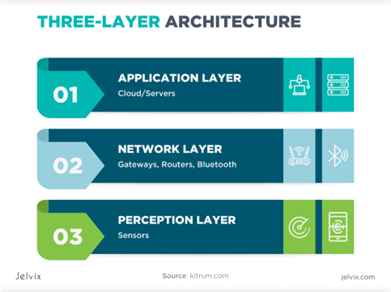
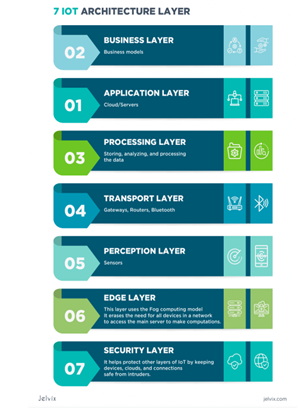
Figure 1: Comparison of three-layer and seven-layer IoT architectures
IoT Architecture layers
The Perception layer serves as the interface between the physical world and the digital ecosystem. It is responsible for collecting data from the environment using sensors and interacting with it through actuators. An actuator is a machine that moves or controls components in a system by converting energy into physical motion. Devices such as temperature sensors, pressure sensors, RFID tags, and environmental monitors gather data, while actuators perform physical actions based on processed data. Communication within this layer is facilitated by technologies like Wireless Sensor Networks (WSN), Low-Power Wide Area Networks (LPWAN), and mobile networks supported by protocols such as MQTT, CoAP, and AMQP, which enable efficient device-to-device (M2M) communication.
The Network layer handles the transmission of data collected by the Perception Layer to other parts of the IoT architecture. It ensures secure, reliable, and efficient communication using various protocols and technologies. Transmission technologies such as Ethernet, Wi-Fi, NFC, Bluetooth, mobile networks, LPWAN, and satellite communications are used. Additionally, machine-to-machine (M2M) protocols such as MQTT, CoAP, AMQP, and DDS enable effective data exchange, while gateways and bridges facilitate seamless communication between devices and higher-level layers.
The Application Layer provides services and interfaces for end-users. It interprets and visualizes data, often enabling interaction through Human-Machine Interfaces (HMIs). Dashboards and analytics platforms process data into user-friendly formats like graphs and reports, making it accessible for decision-making. Cloud and edge computing handle large-scale analytics and real-time computations, while HMIs and mobile applications allow users to interact with the IoT system in a seamless manner.
Depending on the application and complexity of the system, the IoT architecture can include additional layers such as the Processing, Business, Edge, and Security Layers, each addressing specific challenges.
The Processing Layer involves data accumulation and abstraction, gathering and storing data on devices, hard drives, or databases for future use. It also combines IoT and non-IoT data for meaningful insights.
The Security Layer provides essential protection against IoT-related threats by safeguarding sensitive data and maintaining system integrity. In maritime environments, this layer must address cybersecurity challenges like spoofing, hacking, and denial-of-service attacks.
The Business Layer focuses on delivering user-friendly information, transforming raw data into actionable insights presented as charts or reports, vital for strategic and operational decision-making.
The Edge Layer, positioned between the Network and Processing Layers, performs localized computations to reduce latency and bandwidth usage. Most data are processed and stored locally, minimizing reliance on cloud systems which eliminates the need to send information to remote servers. This is especially beneficial in maritime settings, where intermittent connectivity is a common challenge.
Applications of IoT in maritime
In maritime systems, IoT integrates advanced sensors, communication technologies, and data hubs to improve operational efficiency, safety, environmental sustainability, and ship design. Applications of IoT extend across a range of entities such as vessels, offshore platforms, navigation buoys, and ports as shown in Figure 2.
Sensors like GPS and DGPS provide precise navigation, while weather instruments supply real-time meteorological data (Sanchez-Gonzalez et al., 2019). Cargo sensors monitor conditions such as temperature and humidity, and engine sensors enable predictive maintenance, reducing downtime and preventing unexpected failures. Environmental sensors further ensure regulatory compliance by tracking water quality, pollution, and the health of marine ecosystems. They also inform improvements in ship design, facilitating more energy-efficient vessels (Ang et al., 2017).
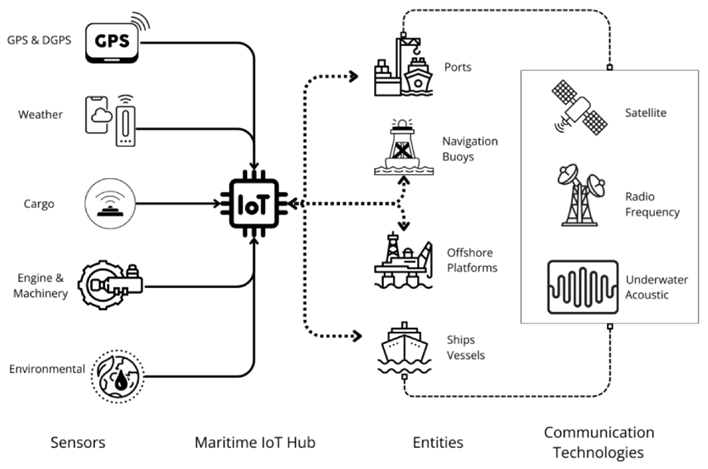
Figure 2: Applications of Internet of Things in maritime.
(Durlik et al., 2023)
At the center of these interconnected systems is the maritime IoT hub, which processes data from ships, ports, navigation buoys, and offshore platforms. Within port environments, IoT-enabled approaches improve cargo handling, warehouse management, and logistics by providing real-time monitoring and control. Onboard ships, IoT systems help optimize fuel consumption, navigation routes, and maintenance schedules, while offshore platforms rely on IoT to observe equipment performance and environmental conditions, safeguarding both safety and operational efficiency. Identification technologies, including QR codes and RFID, enhance tracking, tracing, and control of shipyard components (Fraga-Lamas et al., 2016).
IoT plays an important role in transforming the maritime industry by enhancing efficiency, sustainability, and environmental monitoring through a range of innovative solutions. In shipping, RFID systems are widely used for tracking and management, while middleware platforms enable seamless information exchange between vessels and traffic services (KATAYAMA et al., 2012). IoT-based frameworks further support container tracking, optimizing operational economics and improving supply chain efficiency. To ensure real-time data transmission and decision-making, communication technologies such as satellites, radio frequencies, and underwater acoustics are deployed, enabling reliable connectivity even in remote maritime environments (Choi et al., 2017). In port settings, RFID-based warehouse management systems address critical challenges like scalability, fault tolerance, and privacy, streamlining cargo handling and logistics operations (Goudarzi et al., 2016).
Beyond operational improvements, IoT significantly contributes to marine environmental monitoring by tracking key ocean parameters such as temperature, pH, dissolved oxygen, waves, and currents. These systems also oversee coral reef habitats, deep-sea fish farms, and pollution levels, serving both environmental and navigational purposes. Additionally, IoT-driven platforms analyze pressure and temperature fluctuations in specific regions, as well as monitor oil and gas fields, ensuring safe and sustainable operations (Kabanov and Kramar, 2022).
In conclusion, IoT is enabling smarter shipping, port management, and environmental monitoring systems, which is transforming the maritime sector. The industry's shift to more sustainable and efficient practices is aided by its capacity to deliver real-time insights and predictive analytics. Research and applications continue to evolve, tackling issues and revealing new opportunities in this industry.
6. Overview of shipboard systems
Before beginning a brief description of the ship's systems, it is necessary to say that merchant ships are autonomous in the broadest sense of the word, since they are manned and, in some cases, with passengers, they need the same services as a city, such as: electricity generation, sanitary water production, hotel services, grey and black water treatment plants, etc.
There are basically three systems incorporated on board: the propulsion system, which serves exclusively for the ship's movement, the auxiliary electricity generation systems and the electrical energy distribution system.
There is also a fourth emergency system, which has the function of, in the event of a breakdown of the equipment of the electrical energy generation system, supplying this energy to the essential services of the ship in order to reactivate all the damaged systems and maintain the ship's lighting for this purpose.
The three systems are dependent on each other, since the propulsion system, in order to operate, needs the electrical energy generated by the auxiliary systems through the main electrical power distribution board.
We begin with a small classification of ships, which will try in this project in order to properly manage the energy consumed on board them.
Below is the classification of ship-based specialty cargo transport, Figure 3. Warships and submarines will not be addressed in this project.
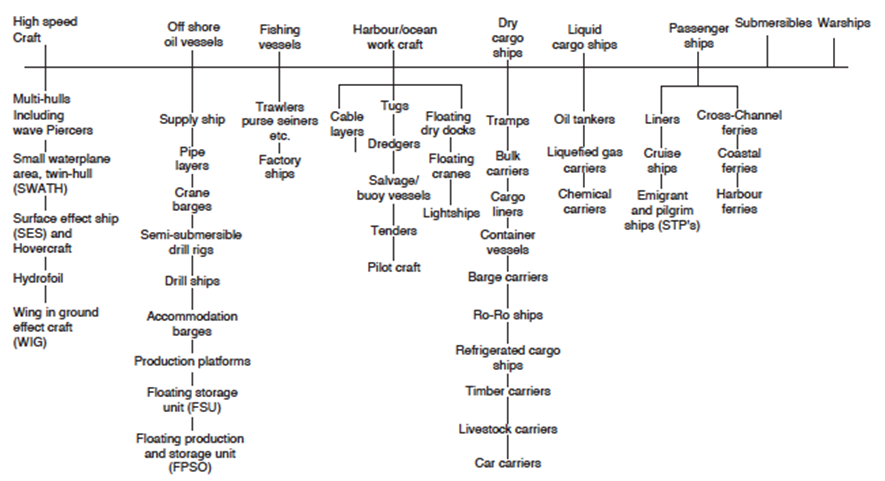
Figure 3: Classification of ship-based specialty cargo transport.
The main types of propellants used by the merchant ships of the world fleet can be summarized as follows:
-
Propulsion Diesel.
-
Propulsion by steam turbines.
-
Propulsion by gas turbines.
-
Propulsion Diesel-electric.
-
Propulsion Gas turbine-steam turbine, combined cycle.
PROPULSION DIESEL
Called diesel propulsion, Figure 4, consists of one or more diesel engines connected to the propeller or propellers of the ship. This connection can be made directly between the diesel engine via a propeller shaft or via a reduction gearbox between the shaft speed of the diesel engine and propeller, in order to adapt the high-speed diesel engine, to the propeller rotating at low speed for greater propulsive efficiency.
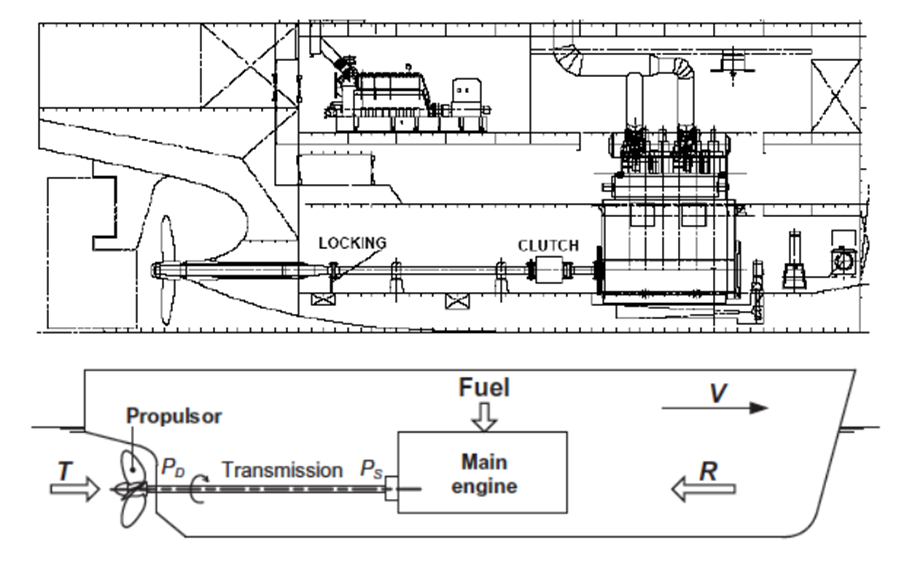
Figure 4: Diesel propulsion
The diesel powered directly connected to the propeller is made with reversible diesel engines called slow speeds between 90 and 130 rpm and working with a two-stroke cycle. This type of propulsion is mainly mounted on tankers, bulk carriers, general cargo and containers in general.
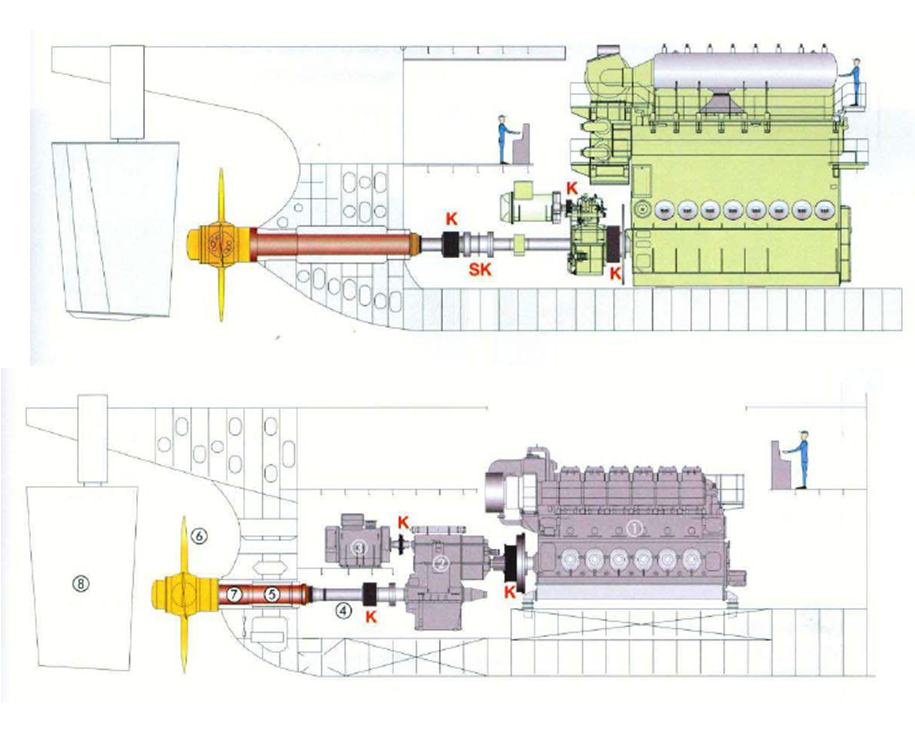
Figure 5: Diesel propulsion connected to the propeller via a reduction gearbox
Diesel propulsion connected to the propeller via a reduction gearbox, Figure 5, is performed with diesel, four-stroke, semi-fast speeds between 500 and 600 rpm, with controllable pitch propellers, engines, and are mounted, in ships ferries, passenger and some general cargo. This engine has half the weight of slow engines.
More than 90% of ships, in the world merchant fleet, use for its main and auxiliary diesel engines, fuel oils produced by refining of petroleum, called heavy fuel oil, HFO, and marine diesel oil, MDO. The specific consumption of slow two-stroke diesel engines is between 180-190 g / kWh and for medium speed diesel engines of four-stroke is between 190-220 g / kWh.
Diesel engines for propulsion, connected directly or through reduction gearbox to the propeller, generally only perform this function of propulsion, and electrical requirements of the vessel must be obtained through electrical generators, i.e. groups formed by diesel motors connected to AC generators.
The so-called diesel propulsion, in both versions, is the most used in the world merchant fleet and can be close to 90% of it.
PROPULSION STEAM TURBINES
Figure 6 represents the propulsion steam turbine in which the entire work cycle of this type of propeller is observed. The steam produced in the boilers will be working turbines of high, medium and low pressure, which transmit their power, at very high speed to the propeller through speed reduction gearbox, which is responsible for adapting turbines to the propeller.
This type of power plant has the advantage that it can burn all types of fuel, either liquid, gaseous or solid, with the disadvantage in connection with diesel engines is that their specific fuel consumption is considerably higher.
Propulsion steam turbines are often used primarily on ships carrying liquefied gas LNG, using the boiling-off of the load carried as fuel to burn in the boilers.
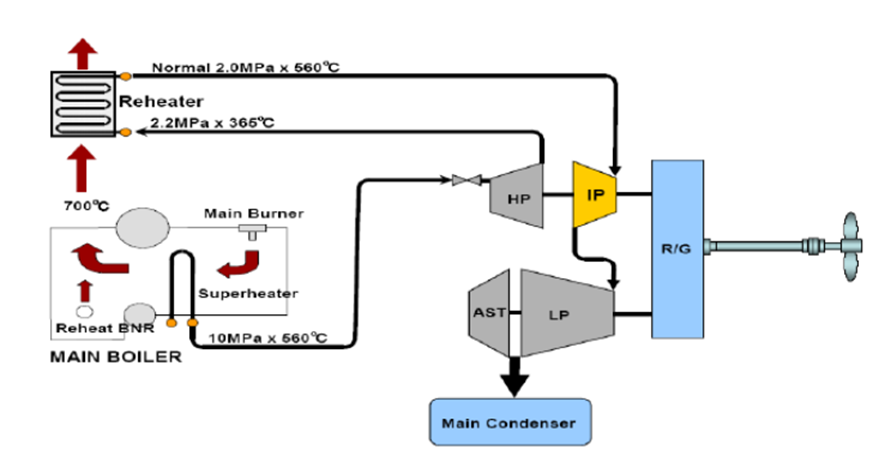
Figure 6: Propulsion steam turbine design
PROPULSION GAS TURBINES
In Figure 7 we have a marine propulsion plant with gas turbines operating according to the Brayton cycle with intermediate reheating. The low-pressure turbine is coupled to the propeller through speed gearbox having the function of adapting the speed of the turbine to the propeller speed.
This type of propulsion is more common in warships on merchant ships, mainly because of its high fuel consumption. As an advantage we can say that the power-to-weight ratio and power-to-volume ratio are very high.
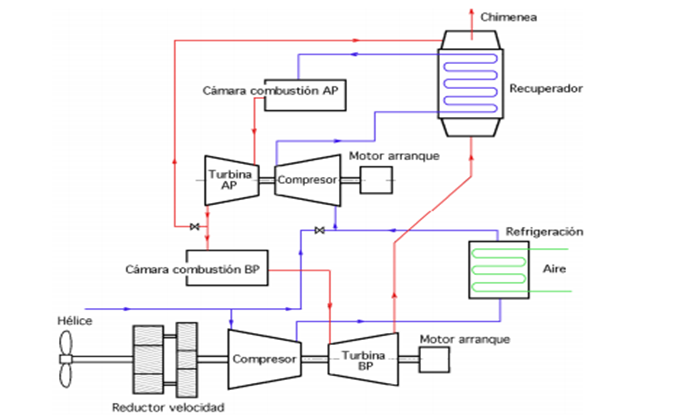
Figure 7: Propulsion gas turbine design
DIESEL-ELECTRIC PROPULSION
Figure 8 (a), (b) and (c) outline a diesel-electric drive system. This configuration primarily consists of ship propellers driven by electric motors to which they are directly connected.
The electricity required for these drive motors as well as for the rest of the ship’s services, auxiliary machinery, deck equipment, and lighting is provided by several groups of diesel generators. Together, these units produce the vessel's total required power.
Diesel engines are utilized to power the electricity generators. Generally, these engines can run on both liquid and gaseous fuels and are typically medium-speed, four-stroke models. Diesel-electric propulsion is most commonly used in cruise ships and vessels requiring dynamic positioning (DP).
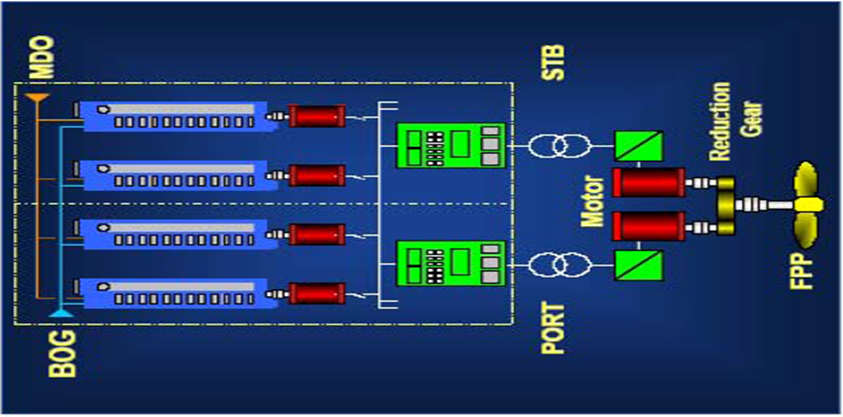
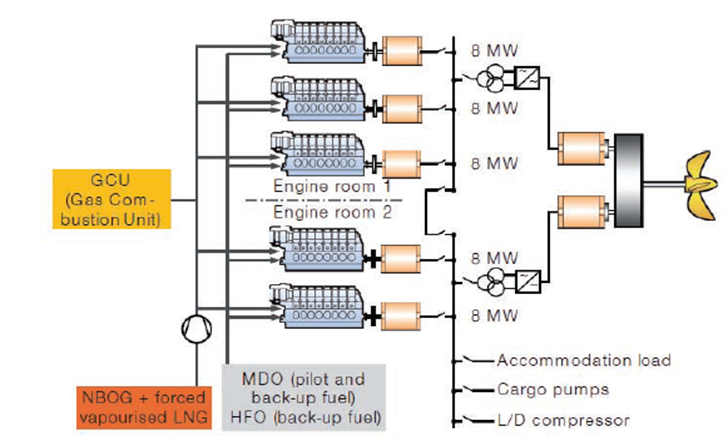
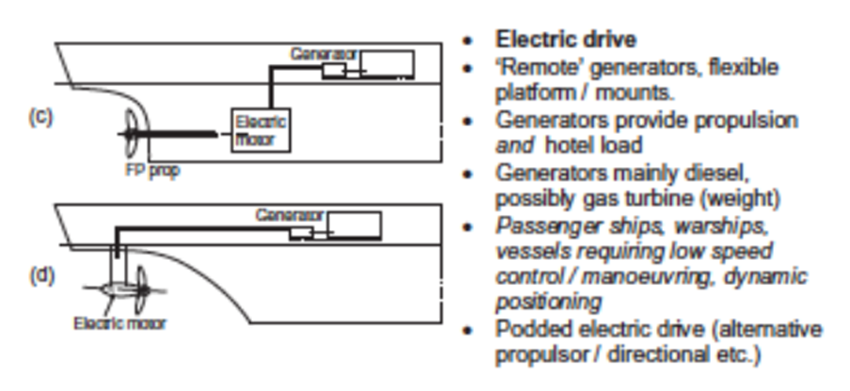
Figure 8: Diesel-electric drive outline
PROPULSION GAS TURBINE-STEAM TURBINE, COMBINED CYCLE
Propulsion called combined cycle involves the use of two propulsion machinery with different work cycles, to date the most used were the diesel or gas combined CODOG called combined gas or gas COGOG combined gas and gas COGAG combined diesel and gas, CODAG and combined gas, electric and steam, COGES.
All the above are combined systems for ships requiring high power and do not have much space in the engine room, which are typically mounted mainly on high-speed vessels and cruise ships and warships.
In Figure 9 we have shown by means of propulsion gas turbine and diesel engines, CODAG, coupled to water jet and to the propellers through speed reduction gearboxes. This system is a system that uses diesel and gas turbine engines independently, so that the ship will use diesel engines with conventional propellers to give an average cruising speed, and if you need a higher speed set in operating the gas turbine and power the waterjet.
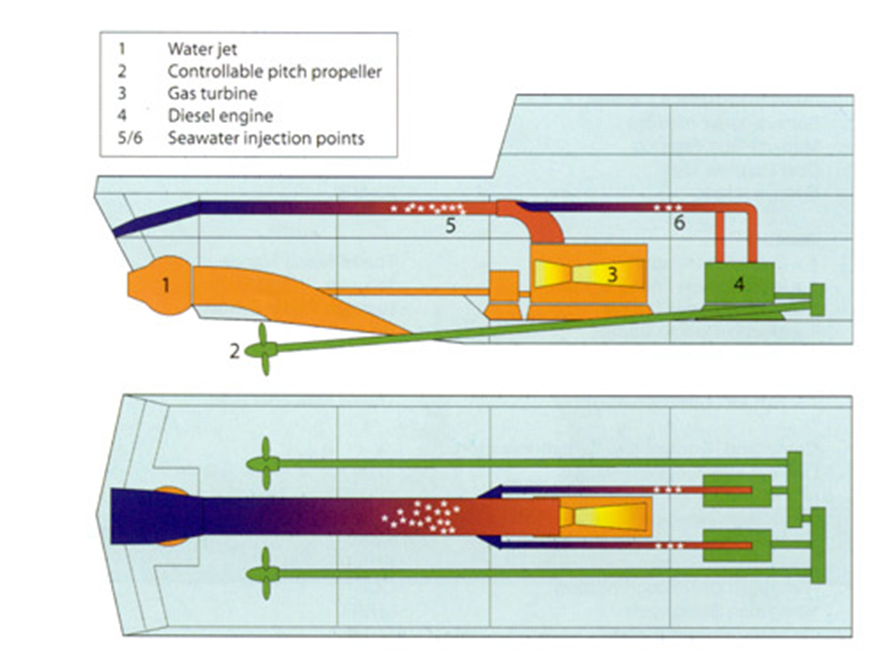
Figure 9: Propulsion gas turbine combined cycle steam turbine
In Figure 10, we also have a propulsion system with gas turbines and diesel engines, CODAG, for, through a speed reduction gearbox adapts the speed of both high speed to low-speed propellers. This propulsion system should not include in what is now called combined cycle and not use the waste heat from the exhaust of engines and steam turbines to produce steam and use in a steam turbine.
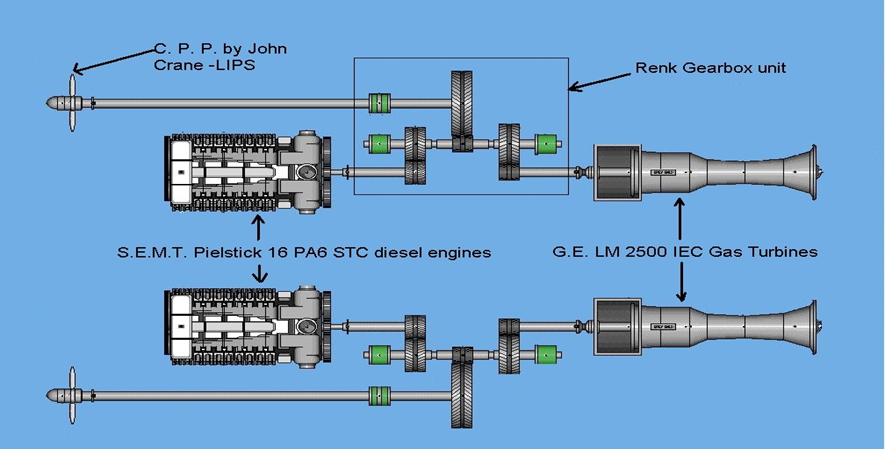
Figure 10: : Propulsion gas turbine combined cycle steam turbine with speed reduction gearbox
Figure 11 illustrates a classic combined cycle propulsion plant, which consists of two distinct stages: the primary gas cycle and the secondary steam cycle.
Only the primary cycle consumes fuel. The high-temperature exhaust gases from this cycle are captured by a heat recovery steam generator (HRSG) to produce steam. This steam then powers a secondary turbine, allowing the combined efficiency of both cycles to exceed 50%.
Both turbines can be connected to a generator of electricity that generates the electricity needed for all services of the vessel or may also be connected to the ship's propellers.
This type of installation can be used on most ships to use the residual heat of the exhaust gas engines and gas turbines. Since the 70th years, the tankers ships possessed a combined cycle plant, which was that the heat from the exhaust gases of main diesel engines pass through by a heat recovery exhaust gas to produce steam, it was used in a turbine coupled to an electrical generator set producing all the electricity needed for vessel navigation.
The fuel used in these facilities may be liquid and gas.
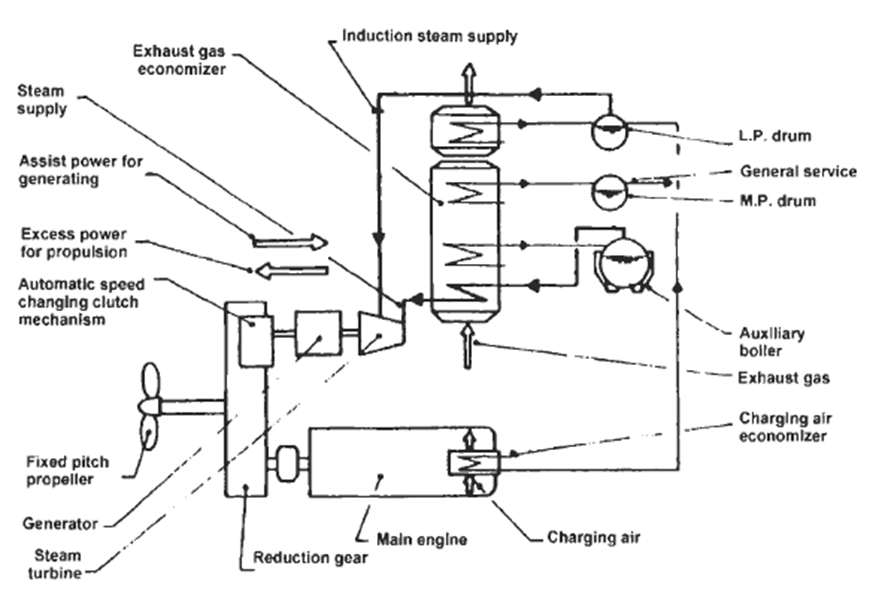
Figure 11: Classic combined cycle propulsion plant
In Figure 12, we have a propulsion plant with a combined cycle gas turbine and steam turbine to produce electricity, COGES, for electric motors for propulsion. This type of propulsion plant is usually mounted on cruise ships electric propulsion.
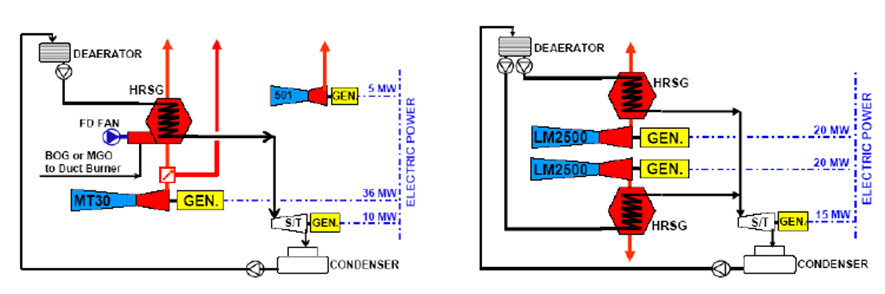
Figure 12: Propulsion plant with a combined cycle gas turbine.
In Figure 13, we have a graph comparing the performance and power of all types of engines that can be installed aboard a dual diesel engine, which burns liquid and gaseous fuels.
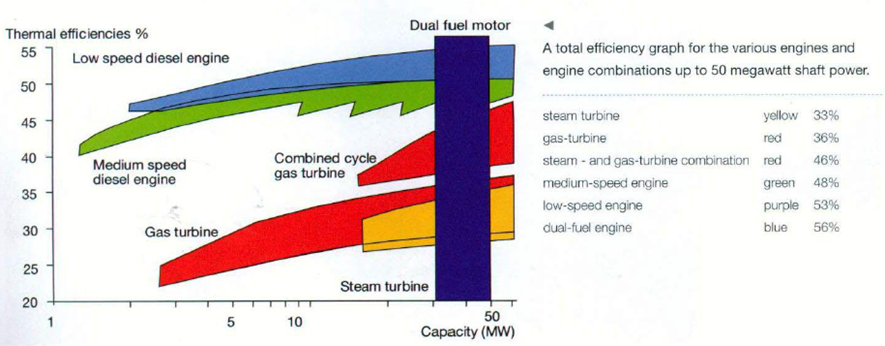
Figure 13: Graphical comparison of power and performance of various engines
Auxiliary systems to generate electricity on board of ship
The auxiliary power generation systems on the ship, as their name indicates, have the exclusive mission of generating the electric power needed by the rest of the ship's systems, such as the propulsion, lighting, air conditioning, hotel, grey and black water treatment plants, sanitary water generation plant, thermal machine cooling, control system, etc. Without the auxiliary system, the ship could not perform its function of transporting goods of all kinds.
Figure 8 (a) and (b) show two diagrams of auxiliary power generation plants, this energy going to the main electrical power distribution board.
Main switchboard
The Main switchboard is an intermediate installation in the ship’s power distribution circuit connecting the power generators and power consumers. The power generators on ships are auxiliary engines with alternators, and the consumers are different engine room machineries such as electric motors, blowers, lighting, air conditioning, etc.
It is very important to isolate any type of fault in an electrical system supplied from the main switchboard (MSB) or else it will affect all the other system connected to the same. If such isolation is not provided, then even a short circuit in a small system can cause blackouts of the whole ship.
Therefore, different safety devices are used on board ships and installed on the main switchboard (MSB) and electrical distribution panels. This ensures safe and efficient running of machinery and safety of the personnel from electric shock even when one system is at fault.
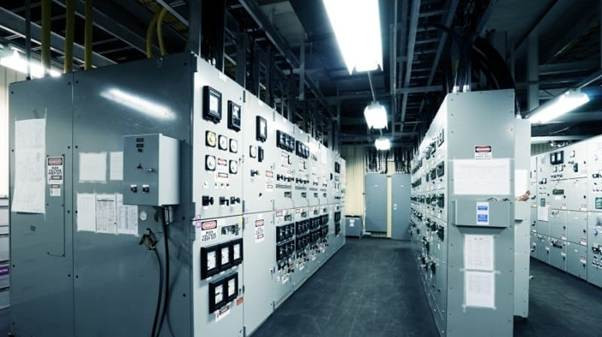
Figure 14: Main switchboard in engine room.
In Figure 14 you can see the main switchboard in the engine room control.
In Figure 15 you can see a scheme of the circuit of distribution of electric energy on board with the generators and consumers.
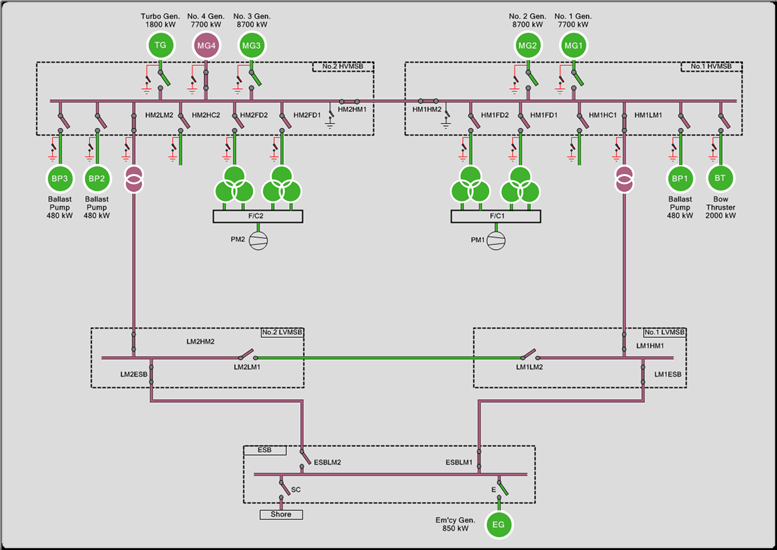
Figure 15: Schematic of the circuit of electrical distribution
VESSEL WITH AUTOMATIC CONTROL
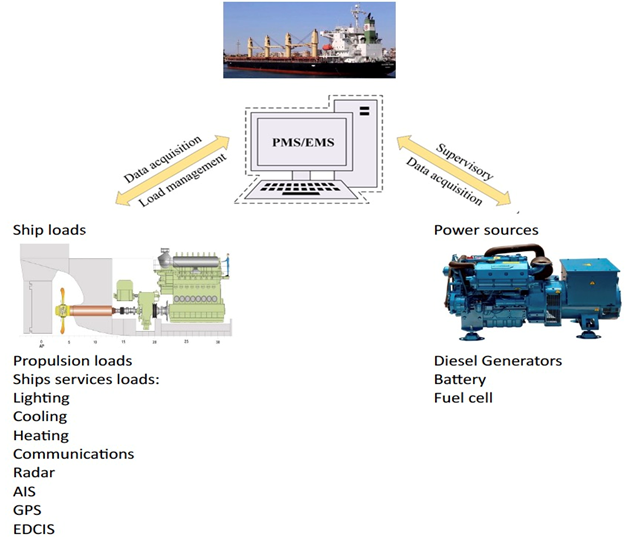
Figure 16: Exchange of data between sources of energy and ship propulsion
Since the late 1960s, with the rise of globalization and the application of economies of scale in maritime transport, which have led to an increase in the size of ships to reduce the cost per unit of transported goods, these have been built with automatic controls for all their services, in order to facilitate their operation and efficiency.
The automatic control of the different services of the ship is internal and has no direct connection with the outside, that is, no one who is not on the ship can manipulate these automatic controls. As can be seen in Figure 16, the exchange of data between the sources of energy and the propulsion of the ship and its services can only be manipulated internally, by the crew members themselves who have access to them. This access can be for reasons of normal operations or by sabotage of the ship's controls.
We are currently in the so-called digital age, which is forcing, for many reasons, maritime transport to be digitalized, that is, as can be seen in Figure 17, all the data from all the ship's systems are connected via satellite to the company on land, which creates a problem, some have already occurred, that this data can be hacked and controlled by people outside the maritime company and the ship, intentionally causing problems in the ship's operations, resulting in accidents of all kinds.
Digitalization of vessels
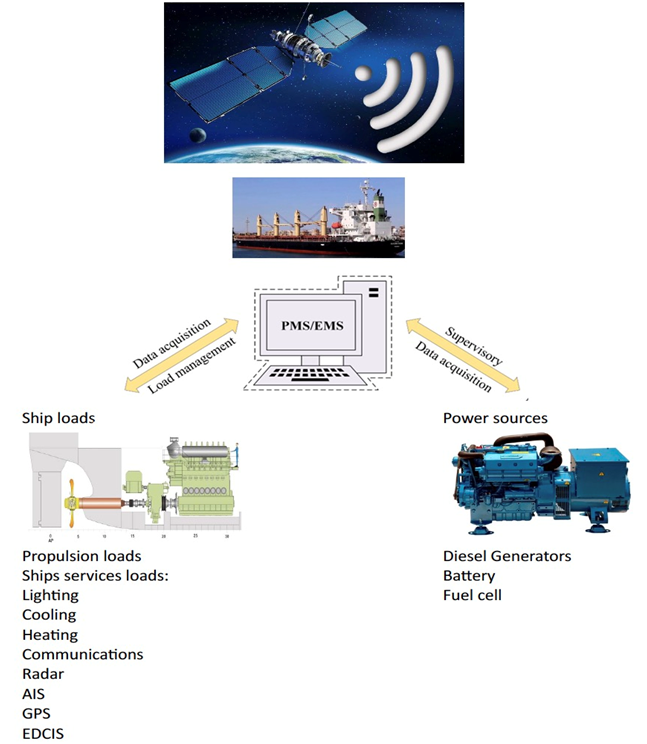
Figure 17: Digitization of vessels
7. Human factors and cybersecurity culture
Human factors play a pivotal role in maritime cybersecurity, influencing how individuals onboard ships interact with security protocols, technology, and potential cyber threats. Despite technological advancements, human errors remain one of the leading causes of cyber incidents in the maritime sector. Addressing these challenges requires fostering a cybersecurity-conscious culture where crew members are not only aware of threats but also actively participate in mitigating risks (Kessler & Craiger, 2021).
Key Aspects of Human Factors in Maritime Cybersecurity
1. Behavioral Awareness and Psychological Factors
- Human decision-making processes, biases, and stress levels impact on how crew members respond to cyber threats.
- A lack of awareness or complacency can lead to negligence in following cybersecurity best practices.
2. Training and Education
- Continuous training programs tailored to different crew roles help instill a cybersecurity-first mindset.
- Scenario-based training and simulated attacks prepare crew members for real-world cyber incidents (Schmidt et al., 2022).
3. Communication and Information Sharing
- Open communication channels between crew members and IT/security personnel ensure timely reporting of potential security threats.
- Encouraging a non-punitive reporting culture can lead to early detection of cyber incidents.
4. Ergonomics and User-Centered Design
- Designing shipboard cybersecurity systems with user experience in mind reduces the likelihood of errors and non-compliance.
- Ensuring interfaces are intuitive and easy to navigate helps crew members adhere to security protocols effectively.
5. Leadership and Organizational Influence
- Leadership commitment to cybersecurity sets the tone for the entire organization.
- Cybersecurity responsibilities should be clearly defined, and crew members should be encouraged to actively engage in security practices (IMO, 2021).
Developing a Strong Cybersecurity Culture
A strong cybersecurity culture goes beyond policies and technology; it is about mindset and behavior. Key initiatives to enhance cybersecurity culture onboard include:
- Cybersecurity Drills and Simulations: Regular hands-on exercises enhance preparedness and response efficiency.
- Incentivizing Best Practices: Recognizing crew members who follow exemplary cybersecurity practices fosters a positive security culture.
- Cross-Departmental Collaboration: Cybersecurity is not just an IT issue; collaboration across departments ensures comprehensive risk management.
By addressing human factors and fostering a culture of cybersecurity awareness, maritime organizations can significantly enhance their overall security posture and resilience against cyber threats.
8. Regulatory frameworks and the CIA Model
The CIA model is a fundamental tool in cybersecurity management, particularly significant in the maritime sector. The digital transformation in shipping, including the development of IoT, ECDIS, GMDSS, and port automation, introduces new risks related to data protection and operational continuity. Implementing advanced technologies such as encryption, digital signatures, and redundancy systems, combined with compliance with regulations, minimizes the risk of cyber threats.
Definition of key concepts
Confidentiality refers to protecting data from unauthorized access and disclosure. In the maritime sector, it applies to information such as voyage plans, cargo details, crew and passenger personal data, and port operation specifics. To ensure confidentiality, technologies like encryption (e.g., AES-256), multi-factor authentication systems, and access control for onboard networks are employed.
Integrity ensures that data is accurate, consistent, and protected from unauthorized changes. In the maritime sector, particular emphasis is placed on the integrity of navigation systems such as ECDIS and AIS, which provide critical information on ship course and position. Manipulated AIS data, causing false location signals, pose a severe threat to maritime safety. Similarly, altered data in ECDIS maps can lead to navigational errors. To prevent such issues, digital signatures are implemented to secure map updates against tampering, alongside regular integrity audits of data.
Availability focuses on maintaining continuous access to systems and data, especially during crises. In the maritime sector, this includes communication systems (e.g., GMDSS), port logistics, and cargo management, which must remain operational at all times to ensure the seamless continuation of maritime operations.
Regulatory frameworks
The application of the CIA model in the maritime sector is supported by numerous international and national regulations. The most important of these include:
- Resolution MSC.428(98) established by the International Maritime Organization (IMO).
- Directive NIS2 (EU 2022/2555) adopted by the European Parliament and the Council of the European Union.
- IACS Unified Requirements E26 and E27, developed by the International Association of Classification Societies (IACS).
Resolution MSC.428(98)
Resolution MSC.428(98) mandates the management of cyber threats within Safety Management Systems (SMS) of ships. It addresses the protection of sensitive navigational and operational data to prevent unauthorized disclosure. The resolution also requires safeguarding data against unauthorized modifications, which is essential for the safe operation of onboard systems. Furthermore, it emphasizes the need to implement measures that ensure the continuity and real-time availability of ship systems.
Directive NIS2
Directive NIS2, adopted by the European Parliament and the Council of the European Union, serves as an update to the earlier NIS Directive. This regulation governs the protection of critical infrastructure, including ports, ships, and maritime systems, in line with the principles of the CIA model. The directive emphasizes data protection against unauthorized access, which is crucial for ensuring confidentiality. It requires mechanisms to prevent data modifications in critical systems, thereby supporting data integrity. One of the directive's key provisions is ensuring the continuity of critical services, such as maritime transport, even during cyberattacks. It also obligates infrastructure operators to conduct regular security audits and implement incident response plans.
IACS Unified Requirements E26/E27
The IACS Unified Requirements E26/E27, developed by the International Association of Classification Societies (IACS), focus on protecting shipboard systems from cyber threats. These guidelines specify technical and organizational measures to safeguard navigational and operational systems from unauthorized access and manipulation. They stress the importance of data integrity through the implementation of verification mechanisms and real-time monitoring of systems. Additionally, E26/E27 highlights the need for the continuity of critical systems, such as propulsion systems, to minimize the risk of operational disruptions.
Examples of application of the CIA model
In the maritime sector, the CIA model finds practical application in numerous situations involving the protection of data and systems. The most significant incident highlighting the importance of data availability and robust recovery plans was the 2017 NotPetya ransomware attack on Maersk, the details of which will be discussed in the next chapter.
An example of data integrity loss was the AIS manipulation in the Persian Gulf in 2019, where false signals misled ships to incorrect locations. DoS attacks on European ports, such as Antwerp, disrupted logistics by overloading systems, effectively mitigated through firewalls and IDS/IPS. In 2021, false data in ECDIS systems led to erroneous courses, resolved by implementing digital signatures.
These examples demonstrate how the CIA model supports the protection of data and systems in the maritime sector, reducing cyber threat risks and ensuring operational continuity in shipping.
9. Case Study: The Maersk NotPetya Cyber Attack
One of the worst cyber incidents in recent history was the 2017 NotPetya attack on Maersk, a world leader in shipping. This ransomware, disguised as a legitimate Ukrainian software update, managed to spread rapidly, affecting thousands of organizations across industries. The impact on Maersk was devastating, causing massive disruption to the company’s global operations.
The attack was triggered by a compromised update to the accounting software M.E.Doc, which is widely used in Ukraine. Although NotPetya was initially perceived as traditional ransomware, subsequent analysis showed that the primary goal was data destruction rather than extortion. Maersk’s IT systems were completely compromised, including those used to manage reservations, track containers, and plan port operations. As a result, port terminals around the world were paralyzed, and the company was unable to process orders or coordinate logistics activities for several days.
The financial impact of the attack on Maersk was significant, with direct losses estimated at over $300 million. However, the indirect costs, including those associated with restoring customer confidence and the investments needed to prevent similar incidents, were likely much higher. Maersk’s technical teams had to reinstall approximately 4,000 servers, 45,000 PCs, and 2,500 applications in record time, demonstrating the company’s resilience and responsiveness.
A critical factor in enabling the rapid recovery was the existence of a backup server in an isolated data center in Ghana. This server, which escaped the attack unscathed, provided the data needed to restore the systems. This incident highlighted the importance of redundant backup infrastructures and disaster recovery practices.
The recovery was also made possible by international collaboration. Maersk benefited from the support of partner companies, government authorities, and the global community of cybersecurity experts. This level of cooperation was essential in limiting the impact of the attack and ensuring the continuity of operations.
Another aspect worth highlighting is the inherent vulnerability of integrated digital infrastructures. Maersk’s systems were globally connected to facilitate efficient operations, but this interconnectedness allowed the malware to spread rapidly throughout the network. The lack of proper network segmentation was a key factor contributing to the scale of the attack. If critical segments of the network had been isolated, the impact would have been much less.
The NotPetya incident also highlighted the importance of monitoring and updating software. The use of a compromised version of M.E.Doc demonstrated how vulnerable companies can be if they do not regularly check their updated sources. This lesson is relevant to the entire maritime industry, where software updates are essential to maintaining the security of critical systems.
The incident served as a turning point in the understanding of cyber risks globally. Following the attack, Maersk implemented additional measures to improve cyber resilience, including significant investments in advanced security solutions, such as real-time network monitoring and intrusion detection and prevention systems (IDS/IPS). The company placed particular emphasis on training employees to recognize the signs of potential attacks and to react quickly in crisis situations.
The impact of the attack on Maersk also had broader implications for the industry. Maritime operators around the world began to reassess their cybersecurity strategies, recognizing that such incidents can affect not only profitability but also global safety. The IMO intensified efforts to introduce strict cybersecurity standards, and companies in the industry began to collaborate more closely to develop common best practices.
Another important outcome of the incident was awareness of the need for transparency and effective communication during and after a cyber-attack. Maersk demonstrated the importance of clear communication with partners and customers, providing regular updates on the progress of the recovery. This approach helped to minimize the reputational impact of the attack and highlighted the vital role of communication strategies in crisis management. In conclusion, the Maersk case is an eloquent example of the complexity of cyber risks in the maritime industry and the need for well-planned proactive and reactive measures.
In conclusion, the Maersk case is a telling example of the complexity of cyber risks in the maritime industry and the need for well-planned proactive and reactive measures. The lessons learned from this incident can serve as a guide for the entire industry, highlighting the importance of collaboration, investment in security, and developing an organizational culture oriented towards cyber protection.
10. Conclusion
In conclusion, the digital transition in the maritime sector presents both opportunities and challenges. While technological advancements are driving efficiencies, they are also introducing new risks that must be mitigated through robust cybersecurity measures. This chapter has outlined the key drivers of digitalization and their impact on maritime operations, highlighting the need for strong cybersecurity practices to secure increasingly interconnected systems.
Understanding the differences between IT and OT in the maritime context is crucial for addressing cybersecurity concerns, as both technologies serve different but equally vital functions. The integration of IoT technologies further complicates security efforts but also offers new opportunities for innovation and improved operations. The human factor plays a critical role in mitigating risks, and fostering a cybersecurity culture among the crew is essential for ensuring the effectiveness of security protocols.
Finally, the chapter examines regulatory frameworks and how they help guide cybersecurity practices within the maritime sector, with a focus on the CIA model as a foundational framework for assessing and improving security. Real-world examples, such as the Maersk NotPetya cyberattack, further illustrate the serious consequences of cyber threats and underscore the importance of proactive cybersecurity measures in the maritime industry.
As the maritime sector continues to evolve, it is crucial for organizations to adopt comprehensive cybersecurity strategies that address both technological and human vulnerabilities. Ensuring the security of maritime operations is not just about preventing cyberattacks but also about fostering a culture of awareness, responsibility, and continuous improvement in cybersecurity practices.