Chapter 7 - Theory
| Site: | CyberSEA training platform |
| Course: | CyberSEA Training Course - English |
| Book: | Chapter 7 - Theory |
| Printed by: | Guest user |
| Date: | Saturday, 21 November 2026, 11:15 PM |
Description
Maritime Cybersecurity Regulations
1. Introduction
As the maritime sector increasingly embraces digital transformation, the regulatory landscape surrounding cybersecurity is evolving to ensure that organizations adhere to best practices and maintain the security of critical maritime systems. The protection of maritime operations against cyber threats is not only a matter of operational security but also legal compliance. This chapter explores the key cybersecurity regulations that govern the maritime industry, focusing on frameworks and guidelines provided by the International Maritime Organization (IMO), industry standards like ISO 27001 and NIST, as well as relevant laws such as the General Data Protection Regulation (GDPR).
We begin with a detailed look at the IMO Guidelines, specifically Resolution MSC.428(98), which provides international standards for cybersecurity in the maritime industry. The chapter then explores the role of cyber insurance and liability considerations, highlighting the importance of coverage and the legal implications of cyber incidents. Furthermore, we examine how frameworks such as ISO 27001, NIST, and GDPR can help organizations mitigate risks and ensure compliance with cybersecurity regulations. Finally, we revisit the Maersk case study, analyzing the compliance lessons learned from their recovery journey.
2. IMO Guidelines and Resolution MSC.428(98)
Overview of IMO Resolution MSC.428(98) and its Requirement to Incorporate Cyber Risk Management into the Safety Management System (SMS)
The International Maritime Organization (IMO) has recognized the growing threat of cyber risks to the maritime sector. To address these challenges, IMO Resolution MSC.428(98) was adopted, mandating that cyber risk management be integrated into the Safety Management System (SMS) by January 1, 2021. The resolution emphasizes that shipowners and operators must assess cybersecurity risks and implement measures to protect their vessels and onboard systems.
Key aspects of IMO Resolution MSC.428(98) include:
- The requirement for shipping companies to incorporate cybersecurity into their existing SMS.
- A risk-based approach to identifying and mitigating cyber threats.
- The importance of continuous monitoring, updating, and improving cybersecurity practices.
- The recognition of existing industry guidelines, such as those from BIMCO, IACS, and the U.S. Coast Guard (BIMCO et al., 2020; IACS, 2021).
How to Ensure Compliance with IMO’s Cybersecurity Recommendations
Compliance with IMO’s cybersecurity guidelines requires:
- Risk Assessment: Identifying potential cyber threats to onboard systems and evaluating their impact (IMO, 2017a).
- Implementation of Mitigation Strategies: Applying security measures, such as firewalls, access controls, and intrusion detection systems (Sowmya & Anita, 2023).
- Crew Training and Awareness: Educating personnel on cybersecurity best practices, phishing attacks, and secure system usage.
- Incident Response Planning: Establishing a framework for detecting, responding to, and recovering from cyber incidents.
- Regular Audits and Updates: Ensuring SMS policies reflect the latest threats and industry developments.
Cybertechnologies have become essential to the operation and management of numerous systems critical to the safety and security of shipping and protection of the marine environment. In some cases, these systems are to comply with international standards and Flag Administration requirements. However, the vulnerabilities created by accessing, interconnecting or networking these systems can lead to cyber risks which should be addressed. Vulnerable systems could include, but are not limited to:
- Bridge systems
- Cargo handling and management systems
- Propulsion and machinery management and power control systems
- Access control systems
- Passenger service and management systems
- Passenger facing public networks
- Administrative and crew welfare systems
- Communication systems
The distinction between information technology and operational technology systems should be considered. Information technology systems may be thought of as focusing on the use of data as information. Operational technology systems may be thought of as focusing on the use of data to control or monitor physical processes. Furthermore, the protection of information and data exchange within these systems should also be considered.
While these technologies and systems provide significant efficiency gains for the maritime industry, they also present risks to critical systems and processes linked to the operation of systems integral to shipping. These risks may result from vulnerabilities arising from inadequate operation, integration, maintenance and design of cyber-related systems, and from intentional and unintentional cyberthreats.
Threats are presented by malicious actions (e.g. hacking or the introduction of malware) or the unintended consequences of benign actions (e.g. software maintenance or user permissions). In general, these actions expose vulnerabilities (e.g. outdated software or ineffective firewalls) or exploit a vulnerability in operational or information technology. Effective cyber risk management should consider both kinds of threat.
Vulnerabilities can result from inadequacies in design, integration and/or maintenance of systems, as well as lapses in cyber discipline. In general, where vulnerabilities in operational and/or information technology are exposed or exploited, either directly (e.g. weak passwords leading to unauthorized access) or indirectly (e.g. the absence of network segregation), there can be implications for security and the confidentiality, integrity and availability of information. Additionally, when operational and/or information technology vulnerabilities are exposed or exploited, there can be implications for safety, particularly where critical systems (e.g. bridge navigation or main propulsion systems) are compromised.
Effective cyber risk management should also consider safety and security impacts resulting from the exposure or exploitation of vulnerabilities in information technology systems. This could result from inappropriate connection to operational technology systems or from procedural lapses by operational personnel or third parties, which may compromise these systems (e.g. inappropriate use of removable media such as a memory stick).
These rapidly changing technologies and threats make it difficult to address these risks only through technical standards. As such, these Guidelines recommend a risk management approach to cyber risks that is resilient and evolves as a natural extension of existing safety and security management practices.
In considering potential sources of threats and vulnerabilities and associated risk mitigation strategies, several potential control options for cyber risk management should also be taken into consideration, including amongst others, management, operational or procedural, and technical controls.
Application
These guidelines are primarily intended for all organizations in the shipping industry and are designed to encourage safety and security management practices in the cyber domain.
Recognizing that no two organizations in the shipping industry are the same, these Guidelines are expressed in broad terms to have a widespread application. Ships with limited cyber-related systems may find a simple application of these Guidelines to be sufficient; however, ships with complex cyber-related systems may require a greater level of care and should seek additional resources through reputable industry and Government partners.
Elements of cyber risk management
For the purpose of these Guidelines, cyber risk management means the process of identifying, analyzing, assessing, and communicating a cyber-related risk and accepting, avoiding, transferring or mitigating it to an acceptable level, considering costs and benefits of actions taken to stakeholders.
The goal of maritime cyber risk management is to support safe and secure shipping, which is operationally resilient to cyber risks.
Effective cyber risk management should start at the senior management level. Senior management should embed a culture of cyber risk awareness into all levels of an organization and ensure a holistic and flexible cyber risk management regime that is in continuous operation and constantly evaluated through effective feedback mechanisms.
One accepted approach to achieve the above is to comprehensively assess and compare an organization's current, and desired, cyber risk management postures. Such a comparison may reveal gaps that can be addressed to achieve risk management objectives through a prioritized cyber risk management plan. This risk-based approach will enable an organization to best apply its resources in the most effective manner.
These Guidelines present the functional elements that support effective cyber risk management. These functional elements are not sequential – all should be concurrent and continuous in practice and should be incorporated appropriately in a risk management framework:
- Identify: Define personnel roles and responsibilities for cyber risk management and identify the systems, assets, data and capabilities that, when disrupted, pose risks to ship operations.
- Protect: Implement risk control processes and measures, and contingency planning to protect against a cyber-event and ensure continuity of shipping operations.
- Detect: Develop and implement activities necessary to detect a cyber-event in a timely manner.
- Respond: Develop and implement activities and plans to provide resilience and to restore systems necessary for shipping operations or services impaired due to a cyber-event.
- Recover: Identify measures to back-up and restore cyber systems necessary for shipping operations impacted by a cyber-event.
These functional elements encompass the activities and desired outcomes of effective cyber risk management across critical systems affecting maritime operations and information exchange and constitute an ongoing process with effective feedback mechanisms.
Effective cyber risk management should ensure an appropriate level of awareness of cyber risks at all levels of an organization. The level of awareness and preparedness should be appropriate to roles and responsibilities in the cyber risk management system.
Best practices for implementation of cyber risk management
The approach to cyber risk management described herein provides a foundation for better understanding and managing cyber risks, thus enabling a risk management approach to address cyberthreats and vulnerabilities. For detailed guidance on cyber risk management, users of these Guidelines should also refer to Member Governments' and Flag Administrations' requirements, as well as relevant international and industry standards and best practices.
Additional guidance and standards may include, but are not limited to:
- The Guidelines on Cyber Security Onboard Ships produced and supported by ICS, IUMI, BIMCO, OCIMF, INTERTANKO, INTERCARGO, InterManager, WSC and SYBAss.
- Consolidated IACS Recommendation on cyber resilience (Rec 166).
- SO/IEC 27001 standard on Information technology – Security techniques – Information security management systems – Requirements. Published jointly by the International Organization for Standardization (ISO) and the International Electrotechnical Commission (IEC).
- United States National Institute of Standards and Technology's Framework for Improving Critical Infrastructure Cybersecurity (the NIST Framework).
- IAPH Cybersecurity Guidelines for Ports and Port Facilities.
3. Cyber Insurance and Liability Considerations
In the era of digitalization of virtually all aspects of economic activity, cyber threats have emerged as one of the greatest challenges for companies, public institutions, and non-governmental organizations. In 2024 alone, global losses related to cybercrime reached approximately 9.5 trillion US dollars. To put this in perspective, this amount is lower only than the GDP of the United States and China. Incidents such as data leaks, ransomware attacks, or sabotage of IT infrastructure frequently result in significant financial, reputational, and legal consequences. In response to these growing threats, the cyber insurance market has developed rapidly and is expanding dynamically worldwide. Cyber insurance is designed not only to mitigate the financial impact of incidents but also to compel organizations to implement appropriate security standards.
As cyber threats continue to increase in the maritime industry, companies are increasingly turning to cyber insurance as a tool for managing risks and minimizing financial losses arising from cyber incidents. However, a clear understanding of policy coverage and liability considerations remains crucial to ensure effective protection.
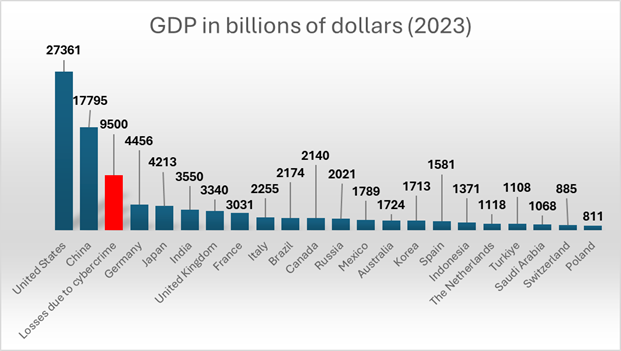
Figure 18 – Illustration of cyber risk exposure and the role of cyber insurance in the maritime sector.
3.1. Overview of Cyber Insurance Policies
Cyber insurance is becoming an essential tool for mitigating financial losses resulting from cyber incidents in the maritime sector. These policies typically cover:
- Data breaches and loss of sensitive information, including crew and passenger records.
- Business interruption caused by cyberattacks, such as operational shutdowns and cargo delays.
- Costs associated with forensic investigations, regulatory compliance, and crisis communication management.
- Ransom payments in case of ransomware attacks, as well as expenses related to negotiation and data recovery efforts.
- Legal fees and liability claims arising from cyber incidents, including third-party claims due to data loss or service disruptions.
- Reputational damage and associated public relations costs to rebuild trust and confidence in affected shipping companies.
Given the complexity of maritime cyber risks, it is crucial for shipowners and operators to assess policy coverage carefully, ensuring that it aligns with industry-specific threats, regulatory requirements, and evolving cyberattack tactics.
Definition and Characteristics
Cyber insurance is a relatively new, increasingly popular financial product that aims to protect organizations from the consequences of digital incidents. These policies vary significantly depending on the insurer and the customer's characteristics, but all aim to limit financial losses and manage the market in the digital age.
Scope of Protection
Most cyber policies cover:
a) first-party damages
- Costs of restoring systems and data after an attack
- Costs of business downtime and loss of revenue
- Costs of notifying individuals whose data has been breached
- Costs of computer forensics and crisis consulting services
- Costs of PR and reputation management
- Costs of ransom payments (in the case of ransomware)
b) third-party damages
- Claims from customers and business partners resulting from a data breach
- Costs of legal defense and settlements
- Administrative fines and regulatory sanctions
- Infringement of intellectual property rights in the digital environment
Policy Personalization and Risk Assessment
Insurance companies very often conduct a security audit before signing a contract, assessing, among other things:
- The level of IT security (firewalls, encryption, access control)
- Incident management and response policies
- The level of employee training in the field of cyber threats
- History of previous incidents
Such a risk assessment is necessary due to the optimization of cyber policy costs for both the insurance company and the client.
Typical disclaimers
Cyber policies may not cover:
- Warfare and cyberterrorism (unless an additional clause has been purchased)
- Intentional or grossly negligent acts by employees
- Damage resulting from the use of illegal software
- Lack of system updates and security patches (patch management)
Key Cyber Insurance Providers for the Maritime Industry
As cyber risks escalate in the shipping and port logistics sectors, several leading insurance companies have developed specialized cyber insurance products tailored for the maritime industry. Some of them are:
- Beazley plc: A British insurer known for its specialization in cyber, marine, and reinsurance products. Beazley holds approximately 8% of the global insurance market. In 2024, the company launched Beazley Security, which includes Managed Extended Detection and Response (MXDR) services to help clients proactively manage cyber threats.
- Hiscox Ltd: An Anglo-Bermudian insurer that offers a wide range of specialty insurance, including marine and cyber risks. As a Lloyd’s of London underwriter, Hiscox provides coverage for cyber threats affecting ports and terminal operators, including data breaches and operational disruptions.
- WTW (Willis Towers Watson): A global advisory and brokerage firm that introduced CyNav, a bespoke cyber insurance policy for ports and terminals. CyNav covers losses due to operational downtime, third-party liabilities, cargo misdelivery, and crisis management expenses.
- Gard: A Norwegian marine insurer and the largest member of the International Group of P&I Clubs. Gard offers P&I (Protection and Indemnity), marine, and energy insurance, including tailored coverage for cyber risks associated with offshore operations and shipping logistics.
- Skuld: An international Norwegian P&I club headquartered in Oslo. Skuld specializes in protection and indemnity insurance, legal defense, and offshore risk coverage, serving shipowners and maritime operators globally with cyber endorsements available.
- Colonnade Insurance S.A.: An insurer that offers Cyber Guard, a policy that covers damages caused by phishing and social engineering, as well as the cost of restoring IT systems. Although more general in scope, the policy can be adapted to suit maritime clients, especially those involved in logistics and port infrastructure.
3.2. Liability Considerations and Cyber Breaches
Maritime operators must thoroughly evaluate liability risks associated with cyber breaches. Failure to comply with cybersecurity regulations such as IMO and GDPR can result in significant penalties, legal action, and reputational damage. Cyberattacks that cause financial or operational harm to third parties may lead to legal claims from customers, partners, or stakeholders, including those related to supply chain disruptions, cargo delays, or environmental hazards. Additionally, contractual agreements such as charter contracts, insurance policies, and vendor arrangements often include specific cybersecurity obligations, and non-compliance can trigger financial penalties or disputes. Data breaches involving crew or passenger information pose further risks, potentially resulting in lawsuits, compensation claims, and regulatory scrutiny under data protection laws. Finally, organizations that fail to implement adequate cybersecurity measures may be held liable for negligence. Demonstrating due diligence through proactive security practices and adherence to industry standards is essential to mitigating these risks (IACS, 2021).
Regulatory Responsibility
With the introduction of modern data protection regulations such as GDPR (EU), CCPA (US), and LGPD (Brazil), organizational responsibility for safeguarding personal data has significantly increased. Companies must implement appropriate technical and organizational measures, report data breaches within 72 hours as required by GDPR, and provide individuals with the ability to access, modify, and delete their personal information.
Contractual and inter-organizational responsibility
Modern companies often work with dozens of external providers of IT, cloud, or payment services. Each such relationship requires a data processing agreement (DPA) and a clear definition of the scope of responsibility.
A data processing agreement compliant with the GDPR must include:
- An explanation of who the data controller is
- An explanation of who the data processor is
- The subject and duration of data processing
- The nature and purpose of data processing
- The type of personal data entrusted and the categories of persons to whom this data relates
- A definition of the obligations and rights of the data controller
- A statement by the processor indicating their obligations
Models of Shared Responsibility
In cloud computing, the shared responsibility model operates, in which responsibility for security is shared between the service provider and the client. The provider is responsible for the physical security of data centers, hardware infrastructure, and the basic software layer (e.g., system updates). The client is responsible for managing access to systems, configuring security, updating software running on rented resources, as well as securing data transmitted and stored in the cloud. This division of responsibility requires close cooperation between both parties and a precise understanding of the scope of responsibilities—often a challenge in multi-cloud environments. Incorrect assumptions about competences can lead to security gaps for which neither party formally feels responsible. Therefore, it is crucial to write detailed documentation and use tools to monitor the level of security and compliance with established procedures.
Indemnification Clauses
Indemnification clauses are becoming more common in B2B contracts, i.e., provisions requiring one party to cover damages, financial losses, and legal costs of the other party resulting from cyber incidents. Such clauses play an important role in managing contractual risk, especially in environments where multiple parties share responsibility for shared systems and data. Indemnification clauses can include:
- Reimbursement of costs resulting from regulatory and legal proceedings
- Coverage of the costs of notifying customers about data leaks
- Refund of business interruption costs
- Coverage of contractual penalties for end customers
To be effective, they must be precisely formulated, indicate specific cases in which they come into force, and clearly divide the scope of liability. They are often the subject of negotiations already at the stage of concluding a framework agreement or tender. For insurers, having such clauses in contracts is also a positive signal about the maturity of the organization in risk management, which may affect the amount of the premium or the availability of insurance cover.
Cybersecurity in the Maritime Sector
The maritime industry, as part of critical infrastructure, must take cyber threats into account in a special way. Automation of port processes, digital navigation systems, integration of supply chains with cloud solutions, and dependence on remote communication expose the sector to attacks that can lead to:
- Downtime of ports and ships
- Disruptions in global logistics
- Threats to human and environmental safety
Policies aimed at the maritime sector often include extended coverage, which includes:
- Disruption of port operations and vessel downtime
- Cyberattacks on on-board systems (e.g., ECDIS, AIS, GMDSS)
- Disruption of data transmission and loss of connection with headquarters
- Costs of alternative transport arrangements as a result of IT failure
- Liability to customers and contractors for delays
- Coverage of costs of inspections and security audits after an incident
The Role of the IMO in Regulating Maritime Cybersecurity
In response to the growing threats, the International Maritime Organization (IMO) has developed guidelines for managing cyber risk at sea. Since 1 January 2021, under IMO resolution MSC.428(98), every ship subject to the SOLAS convention (including merchant and passenger ships) must demonstrate that it manages cyber risk as part of a safety management system (ISM Code). This means that shipowners and operators are required to:
- Identify threats and vulnerabilities in IT and OT systems
- Implement preventive and incident response procedures
- Train crews in cyber hygiene
- Test security measures and update systems regularly
Fulfilling these requirements is increasingly becoming a condition for obtaining cyber insurance for shipowners and a key element of insurers’ risk assessments.
3.3. ISO 27001 and NIST Cybersecurity Frameworks
Modern organizations operating in the digital environment must deal with rapidly evolving cyber threats. In order to effectively manage risk and increase the resilience of IT systems, more and more companies are reaching for recognized international standards for information security management. Two of the most commonly used are ISO/IEC 27001 and NIST Cybersecurity Framework (NIST CSF). Both approaches offer a structured, systematic approach to identifying threats, implementing protection measures, responding to incidents, and continuously improving security processes. Although they come from different cultural and legal environments - ISO 27001 is an international standard developed by ISO, while NIST CSF originates from a US government institution - both standards are complementary and increasingly used in parallel.
ISO/IEC 27001 is a certifiable standard focusing on the implementation and maintenance of an Information Security Management System (ISMS). It includes policies, procedures, and controls aimed at protecting information in a systematic and risk-based manner. The NIST Cybersecurity Framework, designed primarily for critical infrastructure in the United States, is based on five core functions: Identify, Protect, Detect, Respond, Recover. With its flexibility and modular structure, the NIST CSF has gained popularity around the world including in Europe and Asia, as a tool for assessing cybersecurity maturity and complementing more formal standards such as ISO 27001. In the following chapters, we will take a closer look at both approaches, their similarities, differences, and applicability to specific industries, including the maritime sector.
3.4. ISO 27001: Information Security Management System (ISMS)
ISO/IEC 27001 is an internationally recognized standard for Information Security Management Systems (ISMS). It provides a structured framework for organizations to establish, implement, maintain, and continually improve their information security management. The standard applies to all types of organizations, including maritime companies, to protect sensitive information from cyber threats.
The ISO 27001 standard is available at https://www.iso.org/standard/27001
Key Elements of ISO/IEC 27001
Structure of ISO 27001 consists of two parts:
- Clauses 1-10: General requirements for an ISMS
- Annex A: A set of 114 security controls categorized into 14 domains
The Core Clauses of ISO 27001:
- Scope (Clause 1) – Defines the applicability of the ISMS
- Normative References (Clause 2) – Lists supporting documents
- Terms and Definitions (Clause 3) – Establishes definitions for key terms
- Context of the Organization (Clause 4) – Identifies internal and external security risks
- Leadership (Clause 5) – Defines top management responsibilities
- Planning (Clause 6) – Establishes risk management and security objectives
- Support (Clause 7) – Provides necessary resources, training, and documentation
- Operation (Clause 8) – Implements security controls and risk management measures
- Performance Evaluation (Clause 9) – Monitors, measures, and audits ISMS effectiveness
- Improvement (Clause 10) – Ensures continual ISMS updates and improvements
Key Security Controls (Annex A)
ISO 27001 includes 114 security controls organized into 14 domains:
- Information Security Policies – Establishes security policies and guidelines
- Organization of Information Security – Defines responsibilities and roles
- Human Resource Security – Ensures personnel security before, during, and after employment
- Asset Management – Protects critical assets like data, hardware, and intellectual property
- Access Control – Implements role-based access and authentication mechanisms
- Cryptography – Secures sensitive information using encryption techniques
- Physical and Environmental Security – Protects physical infrastructure from unauthorized access
- Operations Security – Manages security of IT systems, networks, and processes
- Communications Security – Safeguards information transfer over networks
- System Acquisition, Development, and Maintenance – Ensures security in software and hardware lifecycle
- Supplier Relationships – Establishes cybersecurity requirements for vendors
- Information Security Incident Management – Develops a plan for detecting and responding to cyber threats
- Business Continuity Management – Ensures resilience against disruptions and cyberattacks
- Compliance – Aligns with legal, regulatory, and contractual security obligations
Guidelines for Implementing ISO 27001
- Define the Scope
- Identify assets, systems, and processes that need protection
- Ensure maritime IT and Operational Technology (OT) systems, such as ship navigation, cargo management, and port IT infrastructure, are included
- Perform a Risk Assessment
- Use ISO 27005 or another risk assessment methodology
- Identify threats like GPS spoofing, ransomware attacks, insider threats, or IoT vulnerabilities in port systems
- Develop a Risk Treatment Plan
- Define how to mitigate, accept, transfer, or avoid cybersecurity risks
- Implement security controls from Annex A as necessary
- Establish Information Security Policies
- Develop and enforce policies on data protection, access control, and cybersecurity training
- Implement Security Controls
- Deploy firewalls, intrusion detection systems (IDS), endpoint security, and encryption for shipboard and port IT systems
- Apply multi-factor authentication (MFA) and least privilege access to critical systems
- Employee Training and Awareness
- Conduct regular cybersecurity awareness training for ship crews, port operators, and IT staff
- Educate personnel on phishing, social engineering, and malware threats
- Develop an Incident Response Plan
- Create a Cybersecurity Incident Response Plan (CSIRP) to handle security breaches
- Establish a protocol for reporting cyber incidents to regulatory authorities like IMO, US Coast Guard, EU NIS2 Directive
- Monitor and Measure Security Performance
- Implement continuous monitoring of networks and systems for anomalies
- Conduct penetration testing and vulnerability assessments on ship IT and OT systems
- Perform Internal and External Audits
- Conduct regular ISMS audits to check compliance with ISO 27001
- Work with certified auditors to prepare for official ISO 27001 certification
- Continuously Improve the ISMS
- Update cybersecurity policies based on new threats, regulatory changes, and security breaches
Benefits of ISO 27001 in Maritime Cybersecurity
- Compliance with Maritime Cyber Regulations
- Helps meet IMO MSC.428(98) requirements for cyber risk management in Safety Management Systems (SMS)
- Aligns with US Coast Guard (USCG) NVIC 01-20 guidelines on maritime cybersecurity
- Supports EU NIS2 Directive compliance for port authorities and shipping companies
- Protection Against Cyber Threats
- Prevents cyberattacks targeting navigation systems, cargo management, port IT networks, and onboard IoT devices
- Reduces risk of data breaches, ransomware, GPS spoofing, and hacking attempts
- Improved Incident Response and Business Continuity
- Ensures rapid recovery from cyber incidents through disaster recovery plans and secure backups
- Enhances resilience against denial-of-service (DoS) attacks on maritime IT infrastructure
- Strengthening Supply Chain Security
- Ensures third-party vendors follow cybersecurity best practices
- Reduces risk of cyber-attacks spreading across global maritime supply chains
To conclude, ISO/IEC 27001 provides a structured approach for securing maritime IT and OT systems against cyber threats. Implementing ISO 27001 in the maritime sector strengthens compliance with IMO, USCG, and EU regulations, enhances cyber resilience, and protects against operational disruptions. By following the Identify, Protect, Detect, Respond, and Recover approach, maritime organizations can ensure a robust cybersecurity posture in an increasingly digitalized industry.
3.5. NIST Cybersecurity Framework
The National Institute of Standards and Technology (NIST) Cybersecurity Framework (CSF) is a widely adopted guideline designed to help organizations improve their cybersecurity posture. Originally developed in 2014 and revised in 2018, the NIST CSF provides a structured, risk-based approach to managing cybersecurity threats across industries, including maritime cybersecurity. The framework is particularly relevant to the maritime sector, where increasing digitalization exposes vessels, ports, and supply chains to significant cyber threats.
Core Components of the NIST Cybersecurity Framework
The NIST CSF consists of three key components:
1. The Framework Core – A set of cybersecurity activities, desired outcomes, and references across five primary functions.
2. Implementation Tiers – Guidelines that help organizations determine their current cybersecurity maturity and how they can improve
3. Profiles – Customization of the framework to align with an organization’s specific risk management needs
The Five Core Functions of NIST CSF
The Framework is divided into five interrelated functions: Identify, Protect, Detect, Respond, and Recover. These categories provide a strategic and operational guide for managing cybersecurity risks effectively.
1. Identify – this function helps organizations understand cybersecurity risks related to systems, people, assets, data, and capabilities. In the maritime sector, this involves:
a. Identifying critical maritime infrastructure such as shipboard control systems, GPS navigation, and port management systems
b. Conducting risk assessments to detect vulnerabilities in digital and communication networks
c. Implementing asset management and supply chain risk management strategies to ensure cybersecurity across all maritime operations
2. Protect – involves implementing safeguards to ensure the secure operation of critical maritime systems. Key protections include:
a. Access Control: Implementing multi-factor authentication (MFA) and role-based access control (RBAC) for vessel and port IT systems
b. Data Security: Encrypting sensitive operational data such as cargo manifests and ship logs
c. Maintenance and Protective Technology: Regular patching of shipboard and port IT systems to prevent exploitation by cybercriminals
d. Personnel Training and Awareness: Training crew members and staff to recognize phishing attacks and implement cybersecurity best practices
3. Detect – focuses on identifying cybersecurity threats in real time. For maritime cybersecurity, this includes:
a. Anomaly Detection: Installing intrusion detection and prevention systems (IDS/IPS) to monitor vessel network traffic for unusual activity
b. Continuous Monitoring: Using real-time analytics to detect cybersecurity incidents, such as unauthorized access to navigation systems
c. Security Event Logging: Ensuring ship operators and port authorities maintain audit logs for forensic analysis of cyber incidents
4. Respond – ensures that organizations have a plan to contain and mitigate cybersecurity incidents. This function includes:
a. Incident Response Planning: Establishing response protocols for ransomware attacks, GPS spoofing incidents, or port system breaches
b. Communication Protocols: Ensuring effective communication with stakeholders, including shipowners, insurers, and regulatory bodies, during an incident
c. Legal and Regulatory Compliance: Reporting cyber incidents in accordance with maritime cybersecurity regulations like IMO MSC.428(98) and US Coast Guard NVIC 01-20
d. Mitigation Strategies: Isolating compromised systems to prevent malware from spreading across interconnected networks
5. Recover – ensures organizations can quickly restore operations following a cyber incident. Maritime organizations must implement:
a. Recovery Planning: Establishing backup and disaster recovery protocols to restore affected ship systems and port operations
b. Continuous Improvement: Conducting post-incident analysis to prevent future cyberattacks
c. Public Relations Management: Addressing reputational damage resulting from cybersecurity breaches through transparent communication
NIST Implementation Tiers
The NIST CSF defines four implementation tiers that represent an organization’s level of cybersecurity maturity:
1. Tier 1 (Partial): Organizations lack formal cybersecurity practices and respond to threats reactively
2. Tier 2 (Risk Informed): Cybersecurity risk management exists but is not yet integrated across operations
3. Tier 3 (Repeatable): Organizations have standardized cybersecurity processes and regularly review policies
4. Tier 4 (Adaptive): Organizations demonstrate a proactive approach with continuous cybersecurity improvements
For maritime organizations, moving from Tier 1 to Tier 3 or 4 is crucial to ensuring the security of vessels, port facilities, and cargo management systems.
NIST CSF in Maritime Cybersecurity
1. Regulatory Compliance – the NIST Cybersecurity Framework aligns with several key maritime cybersecurity regulations including:
a. IMO MSC.428(98): Requires cyber risk management in maritime safety management systems (SMS)
b. U.S. Coast Guard NVIC 01-20: Provides guidelines for cybersecurity risk management in the maritime sector
c. EU NIS2 Directive: Expands cybersecurity requirements for essential sectors, including maritime transport
2. Protecting Shipboard Systems
a. Ships rely on digital navigation tools such as GPS, ECDIS (Electronic Chart Display and Information System), and AIS (Automatic Identification System). The NIST CSF helps prevent cyber incidents such as GPS jamming and spoofing
b. Engine and cargo control systems can be compromised by cyberattacks; implementing Identify and Protect measures can prevent unauthorized access
3. Enhancing Port Security
a. Port operations depend on IoT-connected cranes, container tracking, and automated gates. NIST’s Detect and Respond functions help mitigate threats against these critical infrastructures
b. Cyber risk assessments under the Identify function help port authorities map out vulnerabilities and implement protective measures
Challenges in Implementing NIST CSF in Maritime Operations
While the NIST CSF provides a structured cybersecurity approach, several challenges hinder its full adoption in maritime operations:
1. Legacy Systems: Many ships operate outdated IT and OT systems that are difficult to secure
2. Lack of Cybersecurity Awareness: Crew members and port personnel may lack training on cybersecurity threats
3. High Costs of Cybersecurity Implementation: Upgrading maritime cybersecurity infrastructure requires significant investment
4. Complex Global Supply Chains: Ensuring cybersecurity across interconnected maritime networks is challenging due to multiple stakeholders
In summary, the NIST Cybersecurity Framework serves as a robust model for enhancing cybersecurity in the maritime sector. By implementing its Identify, Protect, Detect, Respond, and Recover functions, ship operators, port authorities, and supply chain stakeholders can mitigate cyber risks effectively. Given the increasing cyber threats in maritime operations, adopting the NIST CSF is no longer optional but essential for ensuring safe and secure global shipping operations.
4. EU GDPR and its Impact on Maritime Data Protection
The maritime industry is increasingly becoming a digital ecosystem, with ships, ports, and logistics chains relying heavily on interconnected systems for communication, navigation, and data management. In this context, the European Union General Data Protection Regulation (EU GDPR), enforced since May 25, 2018, has introduced strict data protection requirements that significantly impact how maritime organizations collect, process, and store personal data.
As maritime operations across international borders and involve complex data exchanges from ship crew manifests to port surveillance systems, compliance with GDPR is not merely a legal obligation but a critical part of a cybersecurity and risk management strategy.
Scope of GDPR in the Maritime Context
GDPR applies to any organization – whether established in the EU or not – that processes the personal data of EU citizens or residents. This extraterritorial scope makes GDPR relevant to nearly all players in the global maritime supply chain, including:
- Shipowners and operators with EU-flagged vessels
- Shipping companies transporting EU citizens or goods
- Logistics and freight companies processing EU-related transactions
- Maritime IT and satellite communication providers serving EU clients
Key definitions:
- Personal Data: Any information relating to an identifiable person – name, ID number, location data, etc.
- Processing: Any operation performed on personal data (collection, storage, use, deletion, etc.)
Data Categories in Maritime Operations
In the maritime domain, a wide array of personal data is processed routinely, including:
- Crew data: Employment records, health data, data for access control
- Passenger data: Booking details, passport numbers, payment information
- Port and terminal data: Video surveillance (CCTV), vehicle registrations, visitor logs
- IoT data: Wearables on crew, shipboard health monitoring, geolocation of personnel
- Communication metadata: Emails, SATCOM logs, voice recordings
This data may be stored on ships, transmitted via satellite to HQs, or shared with customs and immigration agencies.
Legal Bases for Processing Personal Data
Under Article 6 of GDPR, maritime organizations must establish one or more lawful bases for each data processing activity. Common lawful bases include:
- Contractual necessity (e.g. employment contracts for crew)
- Legal obligation (e.g. port authorities collecting data for customs)
- Vital interests (e.g. medical emergencies on board)
- Consent (e.g. marketing services offered to cruise passengers)
- Legitimate interests (e.g. internal investigations)
If no lawful basis is established, the data processing is unlawful, even if unintentional.
Data Subject Rights and Maritime Implications
Maritime operators must uphold the rights of data subjects, which include:
- Right to access – Crew or passengers can request access to their personal data
- Right to rectification – Errors in personal data must be corrected
- Right to erasure („right to be forgotten”) – Data must be deleted unless there is a legal reason to retain it
- Right to restrict processing – Data processing may need to be paused
- Right of data portability – Individuals may request their data in a common format
- Right to object – Individuals can object to data processing for direct marketing or profiling
Shipowners and operators must be ready to respond to such requests within one month, even while vessels are in international waters.
Data Protection Impact Assessments (DPIAs)
GDPR mandates DPIAs when processing operations are likely to result in high risks to individuals’ rights and freedoms. Maritime scenarios where DPIAs are required include:
- Use of CCTV and biometric access on ships and in ports
- Tracking crew health using wearable devices
- Real-time geolocation of personnel via satellite systems
- Large-scale automated decision-making (e.g. AI-driven crewing assignments)
A DPIA assesses risks, mitigations, and compliance steps, and must be completed before the processing begins.
Data Breach Notification Requirements
Under Articles 33 and 34 of GDPR:
- A personal data breach must be reported to the supervisory authority within 72 hours of discovery
- If the breach poses a high risk to individuals, they must also be notified without undue delay
Maritime organizations must develop robust Incident Response Plans that account for the challenges of connectivity at sea, time zone differences, and satellite communication constraints.
Technical and Organizational Measures (TOMs)
GDPR requires maritime companies to implement appropriate technical and organizational security measures, which may include:
- Encryption of sensitive data at rest and in transit (e.g. over satellite links)
- Pseudonymization and anonymization where applicable
- Access controls such as RBAC (Role-Based Access Control) on shipboard systems
- Firewalls and intrusion detection systems (IDS) on vessel networks
- Regular vulnerability scans and security audits
- Cyber awareness training for crew and port staff
- Data minimization strategies to limit unnecessary data collection
These must be documented in the organization’s Information Security Management System (ISMS) and periodically reviewed.
Cross-Border Data Transfers
The global nature of shipping means that personal data is frequently transferred outside the EU – for example, from a European port authority to a shipowner in Singapore. GDPR permits such transfers only under specific conditions:
- Adequacy decisions (e.g. if recipient country has adequate protection laws)
- Standard Contractual Clauses (SCCs) or Binding Corporate Rules (BCRs)
- Explicit consent of the data subject (rarely used in practice)
Failure to apply appropriate safeguards can result in severe penalties.
Maritime-Specific GDPR Challenges
- Satellite and Cloud-Based Infrastructure – data often traverses satellite links and cloud systems. Maritime organizations must:
- Ensure encryption over SATCOM links
- Vet cloud providers for GDPR compliance (e.g. Azure, AWS marine solutions)
- Mobile Workforce – the transient nature of maritime crews makes identity verification and data access control more complex. GDPR mandates strong authentication and least privilege principles.
- Third-Party Vendors – Subcontractors and technology providers often process personal data on behalf of shipowners. Maritime organizations must:
- Use Data Processing Agreements (DPAs)
- Conduct vendor risk assessments
Fines and Enforcement
GDPR violations can result in administrative fines of:
- Up to EUR 10 million or 2% of annual global turnover (for procedural issues)
- Up to EUR 20 million or 4% of annual global turnover (for serious violations, such as data breaches)
Several maritime organizations – including cruise lines and logistics firms – have already faced investigations for mishandling passenger or employee data.
GDPR and Maritime Cybersecurity Integration
A key aspect of GDPR compliance is data security, which aligns directly with cybersecurity frameworks like:
- NIST Cybersecurity Framework – Aligns with GDPR Article 32 (security of processing)
- ISO/IEC 27001 – Often used to demonstrate GDPR-compliant security posture
- IMO MSC-FAL.1/Circ.3 – Maritime Cyber Risk Management guidance from the IMO
A unified strategy that addresses both data privacy and cybersecurity is essential.
Conclusion
The impact of EU GDPR on maritime data protection is profound, extending across every layer of digital operations in the maritime industry. From onboard systems to port surveillance, and from crew health data to cloud-based logistics, GDPR mandates that data be protected, processed lawfully, and kept secure.
For maritime stakeholders, GDPR compliance is not just about avoiding fines, it's about maintaining trust, ensuring operational continuity, and strengthening resilience in a digitized and interconnected industry. With global enforcement increasing and the cyber threat landscape evolving, GDPR readiness must be integrated into broader cybersecurity strategies.
5. Cyber Risk Management and the Safety Management System (SMS)
Cyber risk management should be an integral part of a vessel’s Safety Management System (SMS), which ensures operational safety and security.
With the maritime industry becoming increasingly digitalized, cyber threats are no longer abstract concerns, they are tangible, operational risks. From ransomware attacks on shipping lines to GPS spoofing on vessels, cyber incidents have the potential to disrupt navigation, cargo operations, and safety-critical systems. To address these risks, maritime stakeholders must integrate cyber risk management into their broader Safety Management System (SMS), as required by international regulations, including IMO Resolution MSC.428(98).
5.1. Background: The ISM Code and SMS
The International Safety Management (ISM) Code, developed by the International Maritime Organization (IMO), mandates that all vessels maintain a Safety Management System (SMS), a structured and documented system to ensure safe operation and environmental protection.
A compliant SMS typically includes procedures for:
- Safe ship operation
- Emergency preparedness
- Maintenance of ship and equipment
- Reporting and analysing accidents and non-conformities
- Management review and continual improvement
IMO MSC.428(98) now explicitly states that cyber risks must be addressed as part of the SMS, with full implementation required no later than the vessel’s first Document of Compliance (DOC) audit after January 1, 2021.
5.2. Cyber Risk in the Maritime Context
Cyber risk in maritime operations refers to threats to systems used for:
- Navigation (e.g., ECDIS, GNSS)
- Propulsion and machinery control
- Cargo management
- Communication (e.g., SATCOM, GMDSS)
- Administrative and crew welfare (e.g., payroll, personal devices)
Cyber threats include:
- Malware and ransomware
- Phishing and spear phishing
- GPS spoofing and jamming
- Unauthorized access to operational systems
- Data breaches affecting crew and passenger information
5.3. Integrating Cyber Risk into the SMS
The integration of cyber risk into an SMS involves embedding cybersecurity into the existing structure and culture of safety and risk management. The process aligns well with the Plan-Do-Check-Act (PDCA) model used in ISM systems.
Plan: Identify and Assess Cyber Risks
- Risk Assessment: Perform a comprehensive cyber risk assessment for onboard and shore-based systems
- Asset Mapping: Inventory all IT and OT systems, including interfaces between them (e.g., ECDIS connected to a LAN with internet access)
- Threat Modelling: Identify threats (e.g., malware via USBs, remote attacks) and associated vulnerabilities
- Impact Analysis: Evaluate how a cyber event could impact safety, navigation, or cargo integrity.
Tools like FMECA (Failure Mode, Effects, and Critically Analysis) or BowTie analysis are used to visualize the potential pathways of cyber threats.
Do: Implement Cybersecurity Controls
- Technical Controls:
- Network segmentation (e.g., isolating OT from IT networks)
- Access controls and authentication (e.g., MFA)
- Patch management schedules for shipboard software
- Antivirus and endpoint protection solutions
- Data encryption and secure backups (especially for logs and navigation data)
- Organizational Controls:
- Crew training and cyber hygiene programs
- Restricted USB and removable media policies
- Clear reporting lines for cyber incidents
- Cybersecurity protocols embedded in voyage planning and port call procedures
Check: Monitor and Audit Cyber Measures
- Performance Monitoring: Use key performance indicators (KPIs) like number of blocked intrusion attempts or phishing simulations passed
- Internal Audits: Include cybersecurity controls in regular SMS audits
- Log Review: Regularly review access logs, IDS alerts, and system logs for anomalies
- Vulnerability Scanning: Conduct periodic scans of onboard and shore-connected systems
The effectiveness of cyber controls should be verified during ISM internal audits and management reviews.
Act: Respond and Improve
- Incident Response Plan (IRP): Ensure cyber incidents are part of the SMS emergency preparedness plan. This includes clear roles, escalation paths, and communication templates.
- Drills and Exercises: Include cyber scenarios in drills (e.g., ECDIS outage due to malware).
- Corrective Actions: Following any incident or near-miss, conduct a root cause analysis and update controls as needed.
- Continuous Improvement: Regularly review and improve cybersecurity measures based on lessons learned and emerging threats.
5.4. Regulatory Alignment and Guidance
Cyber risk integration into SMS is backed by international and national regulations.
- IMO MSC.428(98)
- Mandates cyber risk to be addressed in the SMS.
- Leaves flexibility on implementation but stresses risk-based approaches.
- IMO Guidelines on Maritime Cyber Risk Management (MSC-FAL.1/Circ.3)
- Provides high level principles: risk management, roles and responsibilities, continuous improvement, personnel awareness
- US Coast Guard NVIC 01-20
- Offers more detailed, prescriptive guidance on cyber risk management.
- Encourages integration with NIST CSF.
- IACS UR E26 & E27
- Mandates cyber resilience in new vessel designs and equipment.
5.5. Cybersecurity as a Safety Issue
Unlike traditional IT security, maritime cybersecurity intersects with physical safety. A cyberattack on:
- An autopilot system could ground a ship.
- Ballast control system could lead to instability or pollution.
- Cargo temperature control might spoil perishable goods or create explosion risk.
Thus, cyber risk is more than a business continuity concern – it is a safety-critical issue requiring the same rigor as any other hazard in the SMS.
5.6. Technical Best Practices
- Segregated Zones: Create DMZs between IT (business) and OT (operational) systems.
- Secure Remote Access: Use VPNs with strong authentication for remote ship access.
- Whitelisting Applications: Limit software that can run on navigational systems.
- Immutable Logs: Store audit logs in write-once/read-many formats.
- Satellite Link Controls: Monitor and restrict bandwidth usage to prevent command-and-control malware communication.
5.7. Challenges in Implementation
- Legacy Systems: Older vessels may lack compatibility with modern cybersecurity controls.
- Limited Bandwidth: Remote monitoring and patching over satellite links can be slow or costly.
- Crew Turnover: Frequent changes in crew can lead to inconsistent cyber practices.
- Budget Constraints: Smaller operators may lack resources to fully implement technical controls.
These must be addressed through risk-based prioritization and phased implementation strategies.
In summary, cyber risk management is an integral part of maritime safety. By embedding cybersecurity into the Safety Management System (SMS), maritime organizations can safeguard not only data and infrastructure but also human lives and the marine environment. Aligning with IMO guidelines and using frameworks like NIST CSF, operators can build resilient, responsive systems that meet both regulatory and operational needs. Cybersecurity is no longer optional, it is a foundational pillar of safe, modern maritime operations.
6. Case Study: Compliance Lessons
The 2017 NotPetya cyberattack on Maersk (Maersk, 2018) serves as a stark reminder of the vulnerabilities in the maritime industry. The attack exploited unpatched systems, highlighting the need for timely software updates. As a result, Maersk suffered widespread operational disruption, with its IT infrastructure rendered inoperable and losses estimated at $300 million. A key factor that exacerbated the situation was the lack of network segmentation, which allowed the malware to spread rapidly across interconnected systems. However, Maersk's ability to recover from the attack demonstrated resilience, as the company successfully restored operations by leveraging offline backups and mobilizing global IT teams.
Following the incident, MAERSK implemented several changes that gained recognition in the industry:
- A global cybersecurity team was established with regionally deployed response units.
- The network architecture was changed to Zero Trust Architecture.
- Continuous monitoring of systems and a Security Information and Event Management (SIEM) platform was implemented.
- Compliance procedures were modernized to ISO 27001 standards and full integration with the NIST CSF framework was implemented.
- Internal awareness campaigns were launched, including phishing tests and staff training.
The MAERSK incident was a wake-up call for the entire maritime industry. It showed that:
- Even the largest, technologically advanced enterprise can be paralyzed by a single incident.
- Cybersecurity is not just the domain of the IT department – it must be a strategic element of risk management.
- Implementing a cyber risk management framework and integrating it with SMS is essential.
Ensuring proper cyber hygiene through regular software updates and patch management is crucial to preventing similar incidents. Companies must enhance business continuity planning by maintaining offline backups and rigorously testing disaster recovery procedures. Adopting a Zero-Trust Security Model, where access to critical systems is restricted and verified, can mitigate the risk of lateral movement by attackers. Finally, industry-wide collaboration is essential, with companies sharing threat intelligence and best practices to strengthen the maritime sector’s overall cybersecurity posture. By implementing robust cybersecurity frameworks and adhering to international regulations, maritime operators can mitigate cyber risks and enhance the resilience of their digital infrastructure.
7. Conclusion
In conclusion, the maritime sector must navigate a complex web of cybersecurity regulations to ensure compliance and protect its digital assets. The IMO Guidelines, particularly Resolution MSC.428(98), set an important international benchmark for maritime cybersecurity practices, guiding industry stakeholders toward stronger cybersecurity defenses. As maritime operations grow more interconnected, cyber insurance becomes an essential tool for managing financial risks, while understanding liability considerations helps organizations prepare for the potential consequences of cyberattacks.
Adopting industry standards such as ISO 27001, NIST, and complying with regulations like the GDPR helps organizations implement robust cybersecurity frameworks. These frameworks provide clear guidelines for addressing cybersecurity risks and improving organizational resilience. The Maersk case study further underscores the importance of regulatory compliance, demonstrating how adherence to standards and regulations can help mitigate the impact of cyber incidents and speed up recovery.
Overall, understanding and implementing cybersecurity regulations is critical for safeguarding the maritime industry against cyber threats. By aligning with global frameworks, securing cyber insurance, and adhering to the best practices outlined by industry standards, maritime organizations can enhance their defense against cyber risks and ensure they are well-prepared for future challenges.