
Completion requirements
Maritime Cybersecurity Regulations
3. Cyber Insurance and Liability Considerations
In the era of digitalization of virtually all aspects of economic activity, cyber threats have emerged as one of the greatest challenges for companies, public institutions, and non-governmental organizations. In 2024 alone, global losses related to cybercrime reached approximately 9.5 trillion US dollars. To put this in perspective, this amount is lower only than the GDP of the United States and China. Incidents such as data leaks, ransomware attacks, or sabotage of IT infrastructure frequently result in significant financial, reputational, and legal consequences. In response to these growing threats, the cyber insurance market has developed rapidly and is expanding dynamically worldwide. Cyber insurance is designed not only to mitigate the financial impact of incidents but also to compel organizations to implement appropriate security standards.
As cyber threats continue to increase in the maritime industry, companies are increasingly turning to cyber insurance as a tool for managing risks and minimizing financial losses arising from cyber incidents. However, a clear understanding of policy coverage and liability considerations remains crucial to ensure effective protection.
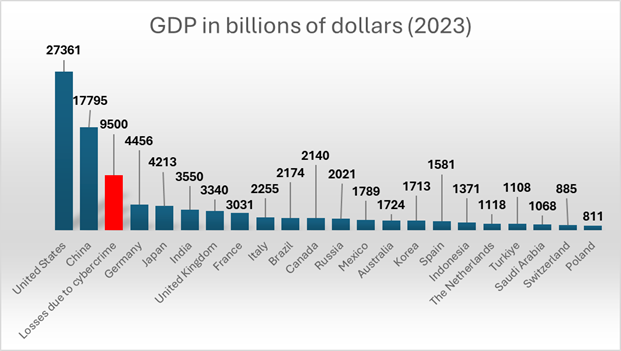
Figure 18 – Illustration of cyber risk exposure and the role of cyber insurance in the maritime sector.